
Functional analysis and treatment of repetitive verbal behavior in children diagnosed with autism spectrum disorder

For clinicians and school-based behavior analysts working with children with ASD, this post addresses repetitive verbal behavior that looks like a request but may actually be attention‑maintained. It describes brief functional analysis methods and a practical, dignity‑focused treatment package—teach a short attention FCR, answer the first query, then place repeats on scripted extinction with planned generalization and thinning. The goal is to turn ABA data into clear, ethical decisions that reduce repetitive speech without shutting down communication.
Training in trial-based functional analysis via computer-based instruction and behavioral skills training
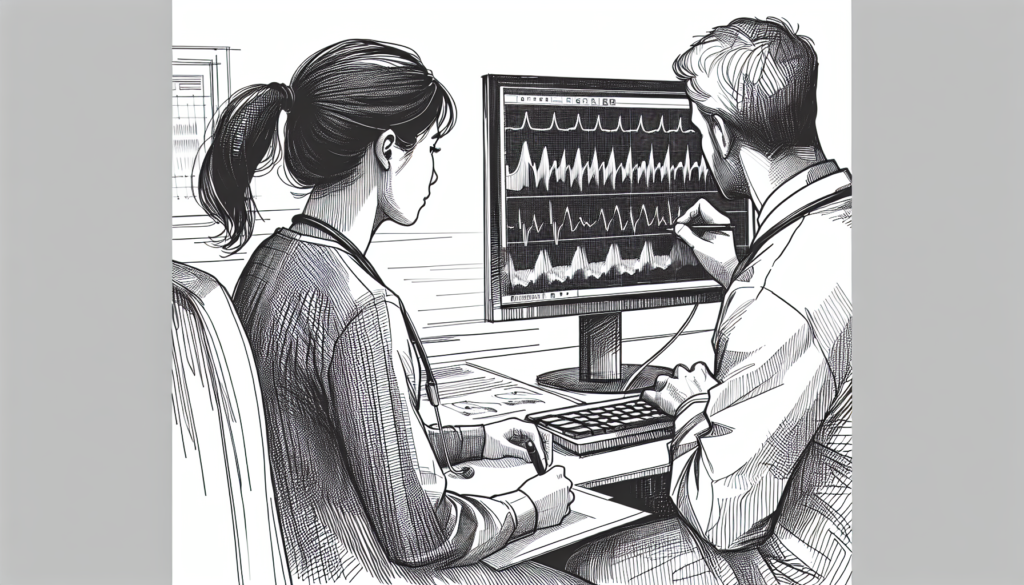
For BCBAs, supervisors, and clinicians who train staff in functional assessment, this study examines whether computer-based instruction alone produces competent trial-based functional analysis (TBFA) implementation. It shows that online knowledge gains don’t guarantee correct trial execution and recommends a practical sequence—online pre-work, scored role-play, telehealth BST with performance feedback, and scheduled boosters—to preserve procedural integrity. Using this approach helps ensure TBFA data are valid so teams can turn ABA assessment results into clear, ethical treatment decisions.
F.6. Design and evaluate functional analyses.
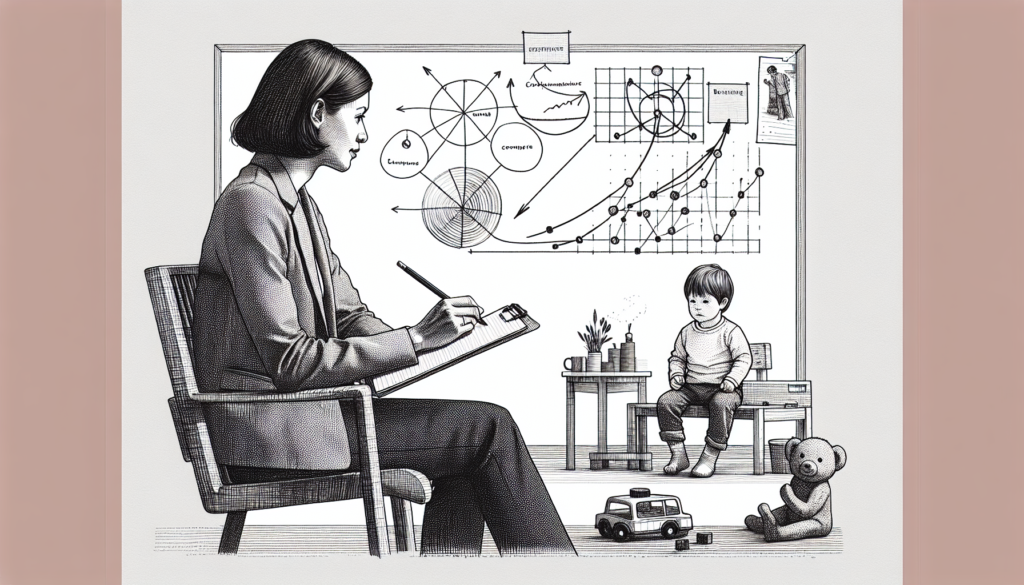
This post is for clinicians, BCBA students, and behavior-support teams who design and implement ABA plans. It shows how to design and evaluate functional analyses to identify the function of problem behaviors and to create function-based, ethical interventions. You’ll learn about FA formats, reliable measurement, and common pitfalls so you can turn ABA data into clear, practical decisions that protect client dignity and improve outcomes.