
An analysis of interactive computer training on staff acquisition of MSWO preference assessment implementation

For BCBAs, supervisors, and trainers who rely on MSWO preference assessments, this post examines whether interactive computer training alone produces trustworthy staff performance. The study found ICT rarely achieved 90% mastery—brief role-plays, targeted corrective feedback, and modeling were usually needed to reach fidelity. Use these performance checks and data-driven training steps to ethically ensure MSWO results are valid before using them to guide client treatment.
Functional analysis and treatment of repetitive verbal behavior in children diagnosed with autism spectrum disorder

For clinicians and school-based behavior analysts working with children with ASD, this post addresses repetitive verbal behavior that looks like a request but may actually be attention‑maintained. It describes brief functional analysis methods and a practical, dignity‑focused treatment package—teach a short attention FCR, answer the first query, then place repeats on scripted extinction with planned generalization and thinning. The goal is to turn ABA data into clear, ethical decisions that reduce repetitive speech without shutting down communication.
Ethical and regulatory investigations in ABA: a qualitative analysis of practitioner responses and outcomes

For BCBA/BCaBA supervisors, clinic leaders, and practicing analysts managing ethical risk, this post summarizes practitioner experiences with BACB investigations and why they matter. It translates qualitative data into practical, ethically grounded recommendations for documentation, supervision, billing, case transitions, and staff support. The focus is on turning ABA data into clear, defensible decisions and prevention strategies that protect clients and reduce clinician harm.
Systematic review and meta-analysis of stimulus-stimulus pairings to increase vocalizations in children with language delays: 2015–2024

For clinicians (BCBAs, SLPs, and other behavior analysts) working with children who produce very few vocal sounds, this review synthesizes 2015–2024 evidence on stimulus‑stimulus pairing (SSP) as a low‑demand method to increase vocalizations. It highlights which procedural variables matter, practical measurement targets, and how to structure short pilot tests so SSP is used thoughtfully rather than indefinitely. Emphasis is on using simple ABA data (vocalization rates, pre‑specified decision rules) to make clear, ethically grounded decisions about whether to continue, modify, or replace SSP.
The use of partial textual stimuli within an interactive task for increasing reports of past behavior with a child with autism

For clinicians and behavior analysts who work with children with autism and difficulty reporting past events, this post summarizes a practical, low‑tech prompting routine. It describes using partial written cues within a short interactive turn‑taking task to increase accurate and varied reports, and shows how to record both accuracy and answer variety in your ABA data. Emphasis is on ethical implementation—fading prompts, reinforcing participation (not compliance), and using the collected data to guide clear, individualized clinical decisions.
From Clinical Supervisor to Team Leader: Key Mindset Shifts to Improve Staff Stability

For new BCBAs stepping into supervisory roles who need practical systems to turn ABA data into clear, ethical clinical and staffing decisions. This guide offers mindset shifts, one‑page checklists, supervision agendas, feedback scripts, and editable templates to help you schedule coaching, document decisions, and track competence. It emphasizes client privacy and BACB‑aligned documentation so your data-driven choices remain both practical and ethical.
Effective 1-on-1 Meetings: Structured Agendas for ABA Team Leaders

A practical template for ABA team leaders — BCBA managers, clinic directors, and RBT supervisors — to run consistent, focused one‑on‑one staff check‑ins. Includes editable Word/PDF files, a time‑boxed agenda, scripts, a HIPAA‑safe example, and an action‑item tracker to turn meeting notes and ABA‑derived staff data into clear, accountable decisions. Designed for people‑management (workload, development, morale) and to keep clinical case details in separate supervised documentation so decisions remain ethical and compliant.
From Micromanagement to Coaching: How ABA Leaders Can Empower Their Teams

For ABA leaders — BCBAs, supervisors, and clinic directors — this practical playbook clarifies the line between coaching and micromanaging. It shows how to turn routine ABA data into simple, ethical decision rules, short scripts, and a one‑week shift plan you can use this week. Use the self‑check and documentation tips to protect client dignity while building staff competence.
An investigation of trainees’ supervision experiences in applied behavior analysis fieldwork
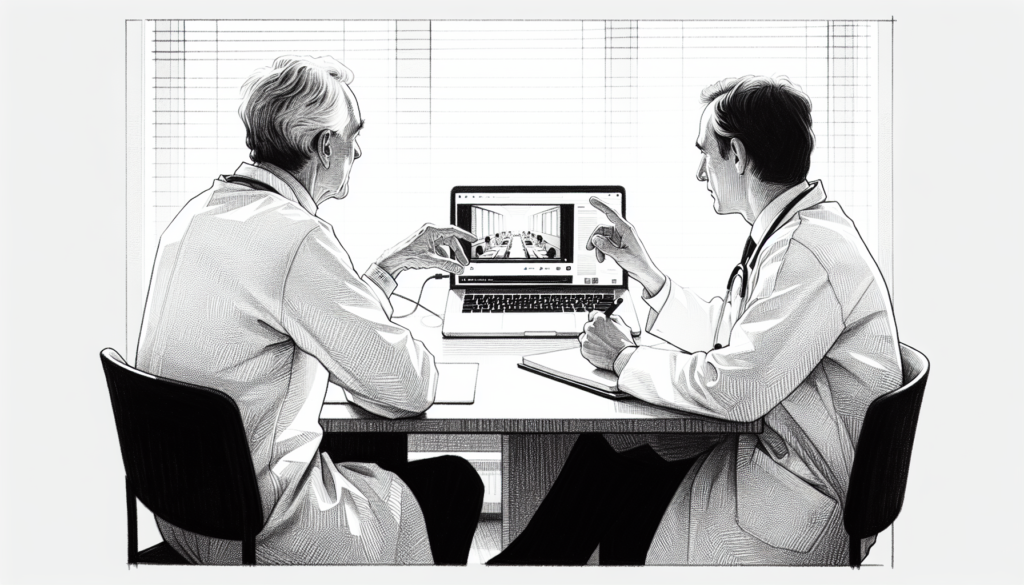
For ABA supervisors and clinical leaders who must turn trainee-reported supervision data into clear, ethical decisions about competence, staffing, and supervision design. Summarizes which practices trainees found most helpful (focused observation, modeling, immediate feedback), common barriers (supervisor workload, limited access to unrestricted tasks), and practical steps—map competencies, use short observe-and-coach loops, and provide brief written feedback—to build real skills, not just hours. Use trainee feedback as actionable data to prioritize system changes that protect client care and trainee development.
Administrative Time Allocation: How Much Non-Billable Time Do BCBAs Need?

For clinic owners, clinical directors, and practicing BCBAs who need a realistic picture of non‑billable (administrative) time. Uses ABA time‑study data, service‑model benchmarks, and a simple calculator to convert caseloads into defensible admin hours and schedules. Focuses on ethical, data‑driven decisions that protect documentation quality, supervision, and clinician wellbeing.