
Featured Provider: Ladder of Success ABA
AJ Stern dropped strict billable requirements at his Denver clinic and replaced them with weekly conversations. A look at Ladder of Success ABA.
Featured Provider: Ahead ABA
Judah Edelstein built Ahead ABA around one idea: support the RBTs, and the rest follows. A look at the Maryland startup and who it’s hiring.
Featured Provider: Autonomous Behavior Solutions
Javon May built his LA practice to 50 people over six years. He grew it slowly on purpose. Here’s what that means for his BCBAs.
An evaluation of task clarification and feedback to teach feedback reception skills
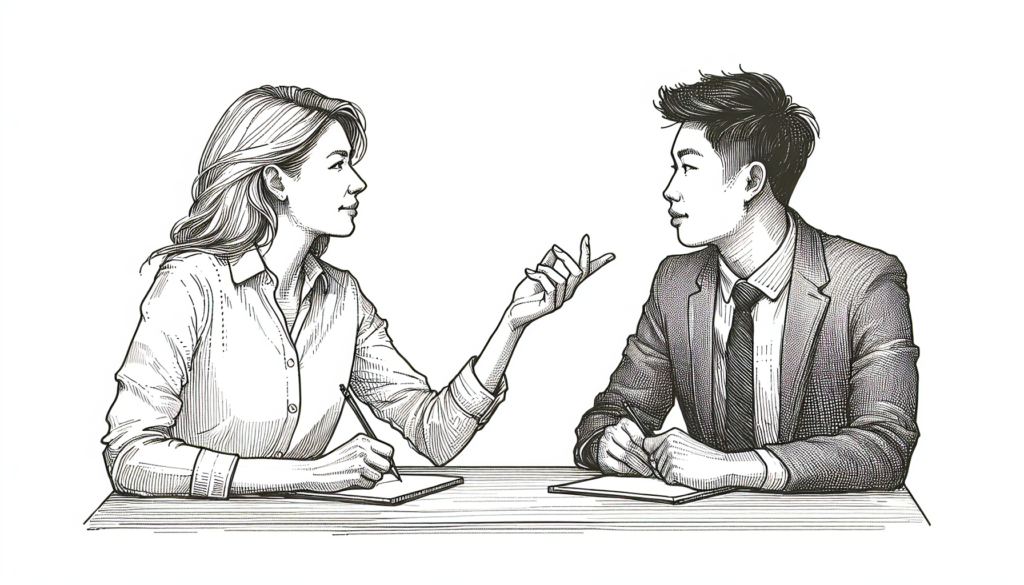
For ABA supervisors and clinical managers, this post summarizes a low-effort, data-driven method for teaching staff to receive feedback. It explains how a brief task-clarification checklist and, when needed, short performance feedback—scored with observable reception skills—can reduce defensiveness and keep coaching productive. The focus is practical and ethical: use ABA data to set clear expectations, guide measured next steps, and preserve staff dignity during supervision.
An interdisciplinary telehealth model to increase the comfort and cooperation of adults with intellectual and developmental disabilities during routine dental exams
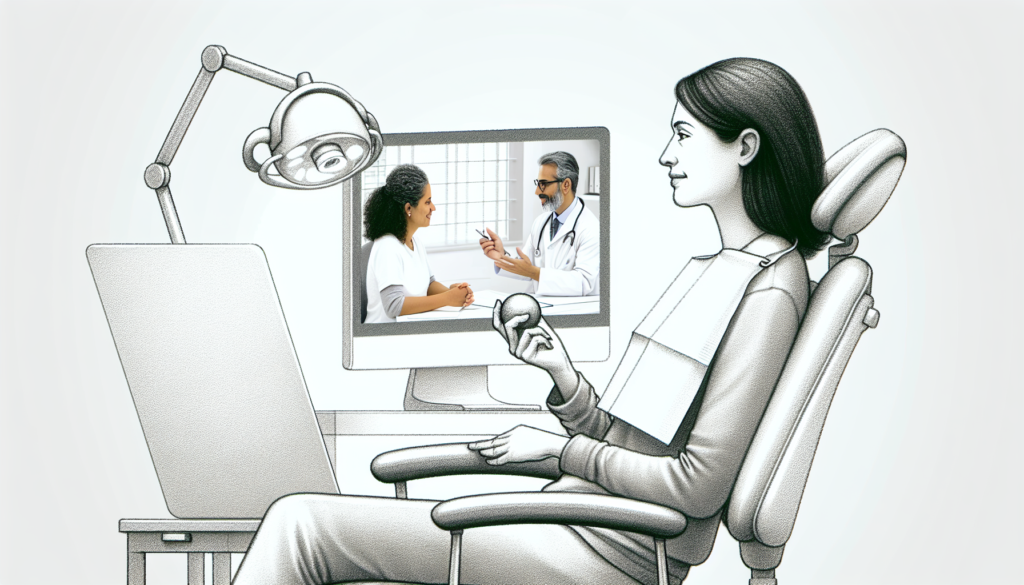
For behavior analysts, dental professionals, and clinicians working with adults with IDD, this post describes a telehealth, caregiver‑led model to reduce reliance on sedation, anesthesia, or restraint for routine dental exams. It shows how brief, scored mock‑exam data and staged behavioral supports can be used to make clear, ethical decisions about whether to attempt clinic care, train dental teams, or plan for more intensive intervention. Practical guidance covers coaching, simple supports, and limits to generalization so teams can prioritize dignity and informed choice.
Contingency discrimination training and resurgence: effects of reduced extinction session durations

On this page What is the research question being asked and why does it matter? What did the researchers do to answer that question? How you can use this in your day-to-day clinical practice Works Cited When we teach a new skill to replace problem behavior, that behavior can return if the new skill stops […]
The effects of video modeling containing different exemplar types on procedural integrity

For BCBAs, clinic supervisors, and RBT trainers, this post examines whether adding clearly labeled mistake clips to brief video models can improve staff procedural integrity. It focuses on reducing common errors that distort ABA data so teams can make clearer, ethically sound decisions about intervention and supervision. Practical tips cover choosing nonexemplars, pairing videos with short competency checks, and protecting learner dignity while turning fidelity data into actionable clinical choices.
Understanding echoics: identifying predictive indicators of vocal imitation.

For BCBAs, RBTs, and clinical teams working with young children with autism, this post helps translate intake VB-MAPP data into actionable priorities when echoic responding is weak or absent. It summarizes chart-review findings linking manding, spontaneous vocal behavior, and motor imitation with early echoic repertoires, and offers practical, ethical steps to prioritize communication-first targets. The focus is on using assessment data to make clear, humane decisions that reduce repeated failure and increase chances for vocal learning.
Comparing human video modeling to animated video modeling for learners with autism

For BCBAs, RBTs, and clinicians working with children with autism, this post compares human versus animated video modeling for teaching conversational vocal responses, facial expressions, and body language. It shows learners vary in which format supports faster, more accurate learning, so no single format is best for everyone. Use the study’s practical, data-driven guidance to run quick comparisons, set clear measurement criteria, and make individualized, ethical decisions about video-based instruction.
Using AI-powered video feedback to improve ergonomics: An analog experiment

For behavior analysts and clinicians aiming to reduce desk‑related neck strain, this post reviews a practical workflow for using short AI‑generated video feedback alongside ABA measurement. It summarizes an analog study showing improvement in neck posture, plus guidance on measurement limits, consent/privacy, fading plans, and environmental fixes. The emphasis is on using ABA data as one objective input to make clear, individualized, and ethically sound decisions about feedback and maintenance.