
What Most People Get Wrong About Data Collection & Analysis

This guide is for practicing BCBAs, clinic directors, supervisors, and supervising clinicians. It identifies common data collection and analysis mistakes, explains why they matter, and offers quick, practical fixes and ready-to-use templates you can implement this week. Focused on dignity-preserving measurement, it helps teams turn cleaner ABA data into clearer, ethically grounded clinical decisions.
Validity & Reliability of Measurement in ABA (BCBA C.8)

Interobserver agreement, accuracy, and reliability of measurement in ABA — what to assess, how to calculate IOA, and exam-ready examples.
F.2. Identify and integrate relevant cultural variables in the assessment process.
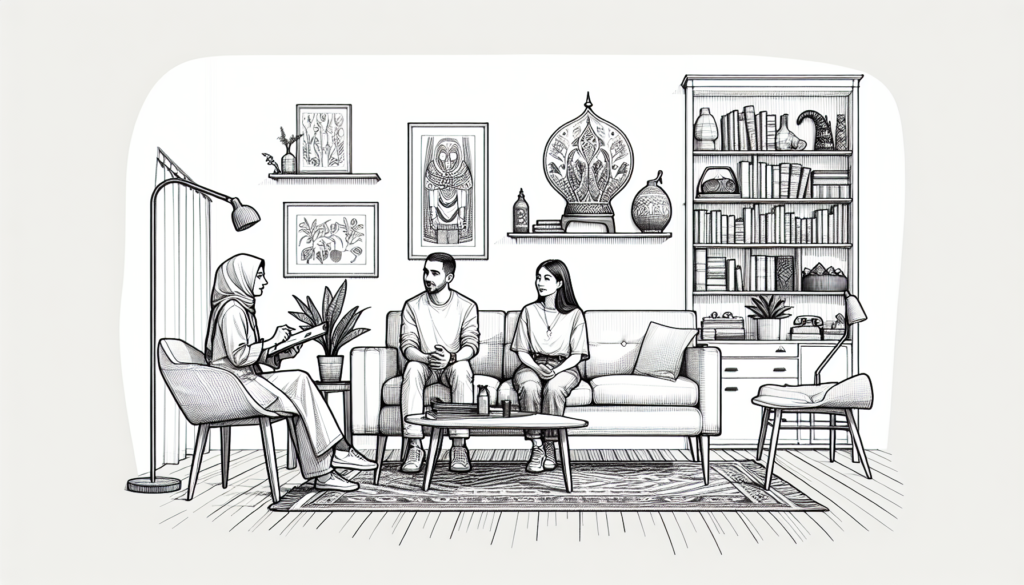
This post is for BCBA practitioners, clinic directors, and senior clinicians working with diverse families who want assessments to reflect lived experiences. It shows how to identify and integrate cultural variables into the ABA assessment process to improve validity, ethics, and real-world outcomes. You’ll find practical steps—intake conversations, qualified language support, transparent documentation, and family-centered goal setting—to turn ABA data into clear, ethical decisions.