
Participatory approach to selecting technologies for instruction delivery at an electric heater manufacturing plant
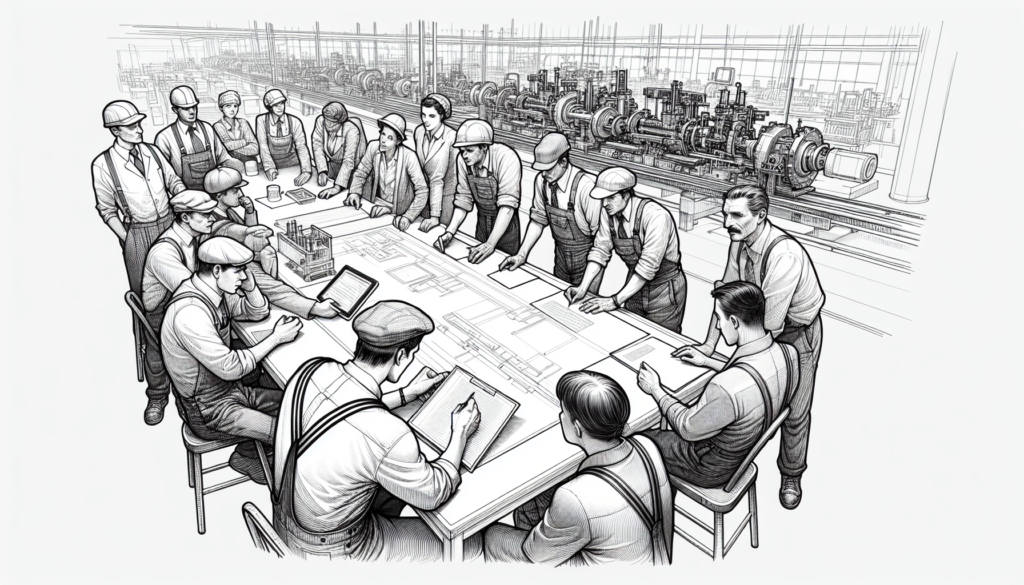
For BCBAs and OBM clinicians deciding between workplace technologies, this post addresses how to choose tools workers will actually use and how to avoid wasted time, errors, and dignity harms. It outlines a brief, participatory method to collect user-acceptance data and incorporate behavior-based predictions into selection. Practical guidance focuses on turning ABA data into clear, ethical decisions—covering comfort, fidelity, measurement, and post-selection outcome monitoring.
Behavior-based safety with paramedics
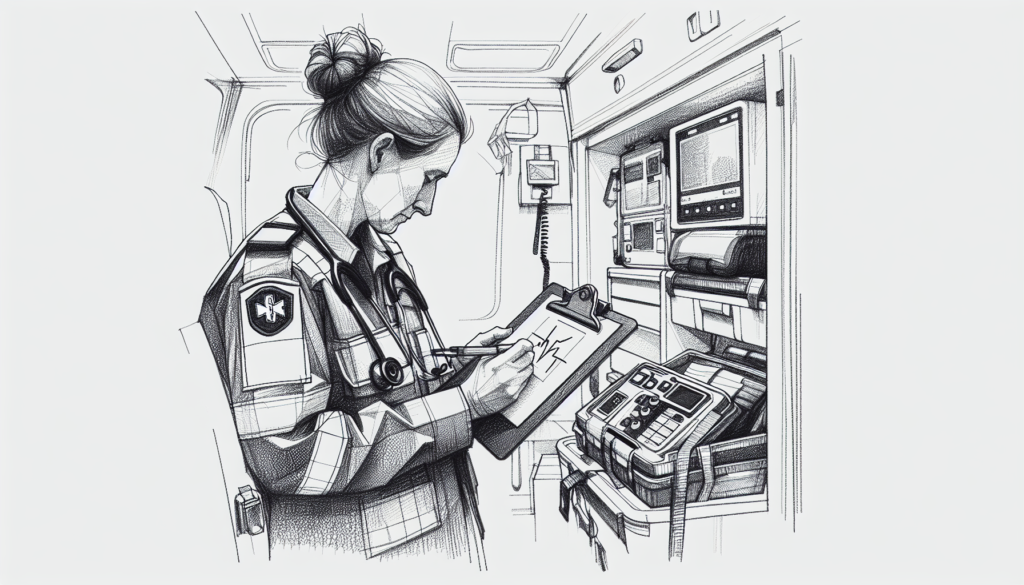
For clinicians, behavior analysts, and supervisors who support field-based, high-risk teams (e.g., paramedics), this post shows how to turn ABA observation data into clear, ethical decisions to improve moment-to-moment safety behaviors. It gives practical steps—co-design short, observable safety checklists, collect brief in‑the‑moment observations, and deliver immediate, dignity‑preserving feedback—so percent-safe data guide system changes rather than punishment. The emphasis is on usable tools (simple checklists, posted trend data, and peer-led routines) that reduce risky choices under time pressure while protecting staff autonomy.
Nonconcurrent multiple baseline designs for applied research in organizational behavior management

For OBM practitioners and applied behavior analysts who can’t start baselines at the same time, this post explains how nonconcurrent multiple baseline designs let you use staggered rollouts and repeated measurement to make more defensible causal inferences while tracking history effects. It offers practical guidance on tier selection, baseline planning, visual displays, and strengthening internal validity. The focus is on turning ABA data into clear, ethical decisions about whether to continue, scale, or modify workplace interventions—while avoiding unfair blame and respecting real-world constraints.