
F.5. Design and evaluate descriptive assessments.

A practical guide for ABA clinicians, including BCBAs, supervisors, and caregiver partners, on designing and evaluating descriptive assessments in everyday practice. It explains how to collect direct observations ethically and use the data to form testable hypotheses about function, guiding next steps without overstating causation. You’ll learn how to choose methods, plan sampling, ensure consent and privacy, and translate descriptive findings into clear, ethically sound decisions for intervention design.
When to Rethink Your Approach to Behavior Reduction

Designed for ABA clinicians, educators, and families, this post translates behavior reduction best practices into clear, ethical decision-making. It guides you to rethink plans using a function-based approach, prevention-first strategies, replacement skills, and data-driven checks that prioritize safety and dignity. Practical checkpoints help you apply decisions across home, school, and clinic without hype.
Behavior Reduction in ABA: Assessment-to-Plan, Replacement Skills, and Ethical Safeguards: Common Mistakes and How to Avoid Them

This post is for practitioners—BCBAs, RBTs, and students—seeking a practical, ethics-forward guide to behavior reduction in ABA. It outlines the assessment-to-plan workflow (FBA to BRP) with replacement skills, data-driven decision rules, and safety safeguards. You’ll learn how to translate data into clear, ethically sound decisions and avoid common mistakes that derail effectiveness. Accessible, clinician-friendly explanations, case examples, and checklists help you implement a responsible, least-restrictive plan.
Behavior Reduction in ABA: Assessment-to-Plan, Replacement Skills, and Ethical Safeguards: Real-World Examples and Case Applications

This article is written for behavior analysts, clinicians, and students who design and supervise ABA programs, helping them translate data into clear, ethical decisions for behavior reduction. It outlines an assessment-to-plan workflow, the selection and teaching of replacement skills, and the safeguards that protect clients throughout the process. Through real-world examples and case applications, it shows how to use data to justify decisions that are effective, ethical, and respectful.
Behavior Reduction in ABA: Assessment-to-Plan, Replacement Skills, and Ethical Safeguards: Tools, Templates, and Checklists

For BCBAs, behavior analysts, and clinical teams, this post shows how to turn assessment data into a clear, ethical behavior-reduction plan. It covers assessment-to-plan workflows, replacement skills, and safeguards to keep interventions data-driven and ethically sound. Practical tools, templates, and checklists support transparent, responsible decision-making in everyday practice.
Behavior Reduction in ABA: Assessment-to-Plan, Replacement Skills, and Ethical Safeguards
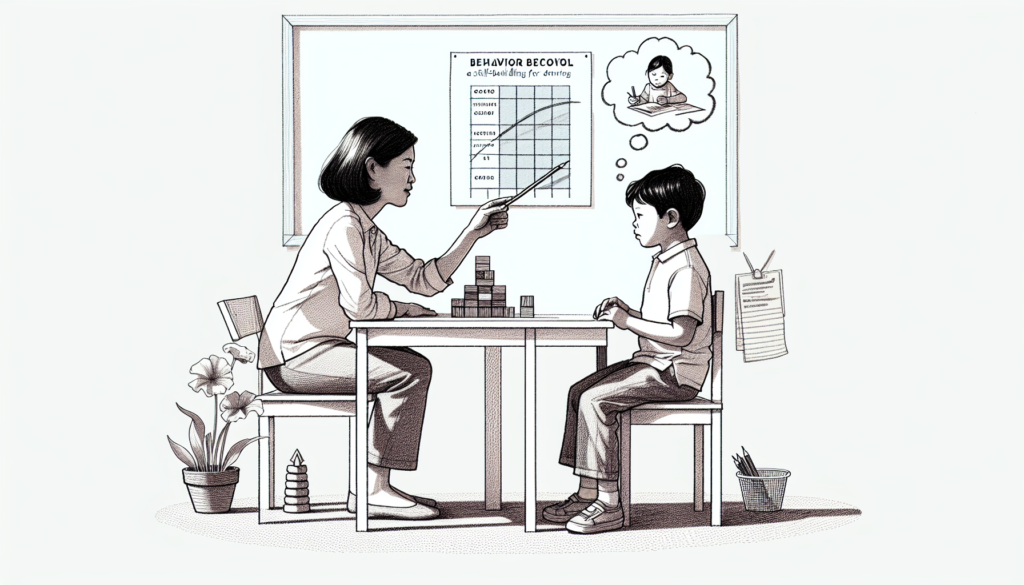
This post is for BCBA/BCaBA clinicians and supervisory teams seeking practical guidance on behavior reduction. It explains how to translate assessment data into an actionable plan, including selecting and teaching replacement skills and implementing ethical safeguards. The emphasis is on turning ABA data into clear, ethical decisions that minimize harm and guide effective, respectful interventions.
Quick Tip: Behavior Reduction in ABA

Designed for ABA practitioners (BCBAs, BCaBAs, RBTs) and students, this quick tip shows how to turn data into clear, ethical decisions about behavior reduction. It explains how to interpret data trends, set measurable reduction goals, and select least-restrictive, person-centered interventions. The focus is on making transparent, justified choices that protect client rights and improve outcomes.