
Caregiver Collaboration in ABA: Buy-In, Training, and Real-World Follow-Through: Common Mistakes and How to Avoid Them

For BCBAs, clinical supervisors, RBTs, and caregivers seeking practical, dignity‑centered ways to move skills from clinic to daily life and turn ABA data into clear, ethical decisions. The guide provides buy‑in scripts, brief training micro‑sessions, simple data sheets, meeting agendas, and clinician decision rules you can adapt immediately. Ethical guardrails—BCBA oversight, informed consent/assent, and secure data handling—are emphasized throughout.
When to Rethink Your Approach to Caregiver Collaboration
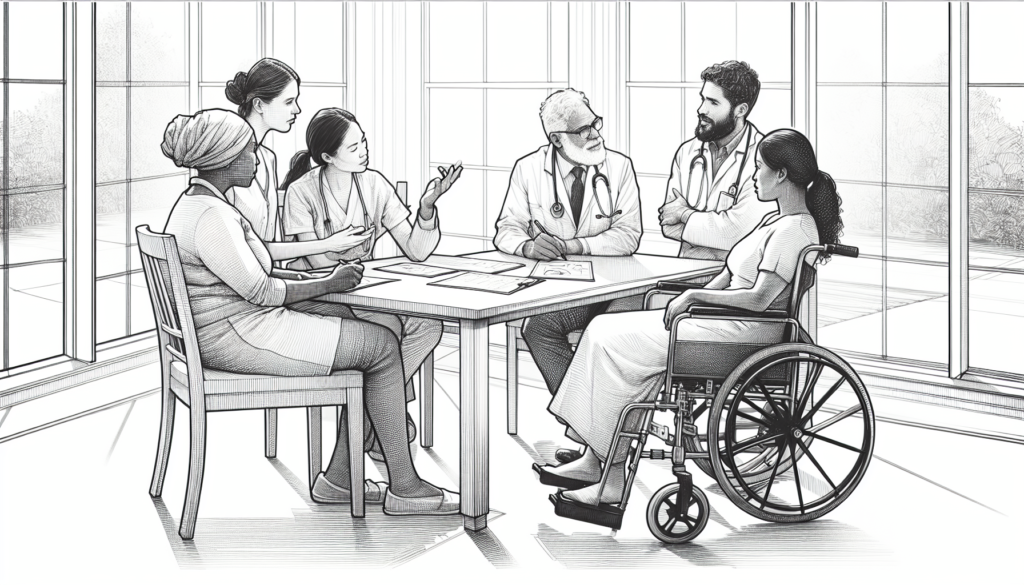
Designed for ABA clinicians, supervisors, and care teams working with families, this post presents caregiver collaboration best practices with practical, ethical guidance. It shows how to turn routine ABA data into concrete decisions about roles, communication, and shared care plans, reducing conflict and stress. It also identifies signals that collaboration needs a rethink and offers templates to support family meetings, role definitions, and privacy-conscious use of technology.
Caregiver Collaboration in ABA: Buy-In, Training, and Real-World Follow-Through

This post is for BCBAs, clinicians, and caregivers involved in ABA programs. It offers practical guidance on securing caregiver buy-in, delivering effective training, and supporting real-world follow-through. By focusing on turning ABA data into clear, ethical decisions, it helps teams make transparent, data-driven choices that improve collaboration and outcomes.