
When to Rethink Your Approach to Data Visualization & Analytics

For BCBAs, supervisors, and clinic leaders. This practical guide helps you turn ABA data into clear, ethical clinical decisions by choosing the right charts, adding context and annotations, and designing focused dashboards. It includes checklists, templates, and privacy guidance to support safer, faster decision-making without replacing clinician judgment.
What Most People Get Wrong About Data Visualization & Analytics
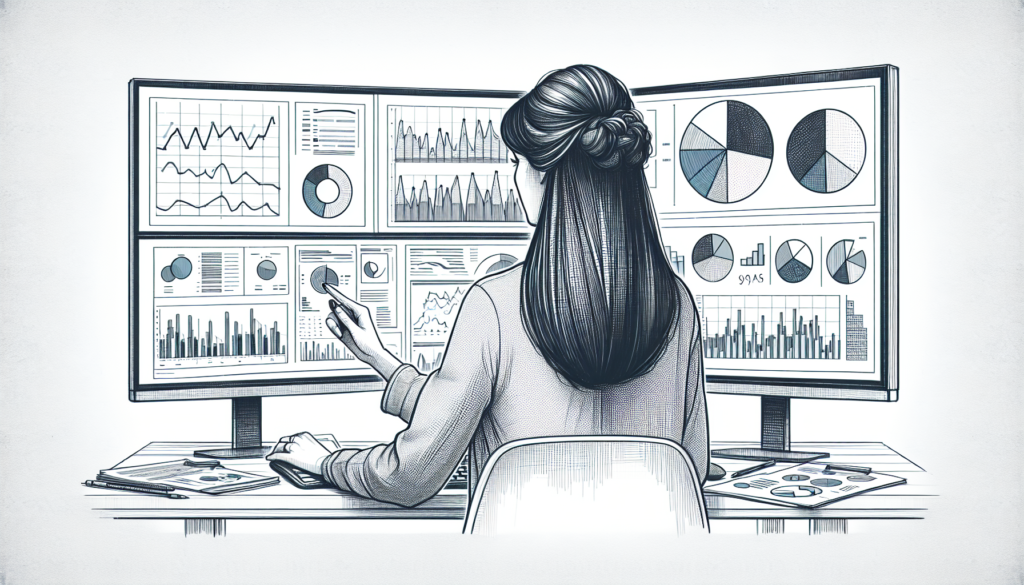
This guide is for BCBAs, clinic owners, and supervisors who share ABA data with families and teams. It identifies the most common data-visualization and analytics mistakes and offers practical, ethical fixes to make charts clear decision tools. By using a simple pre-share checklist and audience-focused visuals, you’ll turn ABA data into transparent, ethical decisions that protect privacy and support trusted care.
C.10. Graph data to communicate relevant quantitative relations (e.g., equal-interval graphs, bar graphs, cumulative records).

Designed for BCBAs, BCaBAs, RBTs, and clinic teams who collect ABA data, this guide shows how to turn raw counts into clear, decision-ready visuals. It covers equal-interval line graphs, bar graphs, and cumulative records—explaining when to use each and how to build graphs that are honest and easy to interpret for families. You’ll learn quick visual analyses (level, trend, variability) to make ethical, data-driven decisions that prioritize client welfare and transparent communication.
How to Know If Data Visualization & Analytics Is Actually Working

Designed for practicing BCBAs, clinic owners, directors, and ABA leaders, this guide helps you move beyond pretty dashboards to actually better decisions. It explains what “effective” data visualization means and offers a simple four-level scorecard to assess clarity, accuracy, decisions, and follow-through—within a privacy-first, ethically sound workflow. Learn to spot common failures, select the right charts, and translate visuals into concrete clinical actions with human oversight at the center.
Data Visualization & Analytics in ABA: Graphs, Dashboards, and Decision-Making That Works

This post is for behavior analysts, clinicians, and students who collect ABA data and want clearer, ethically sound decisions. It shows how graphs, dashboards, and analytics can translate raw data into actionable insights for progress monitoring and decision-making. With a practical, clinician-friendly focus, it demonstrates how visualization supports transparent, client-centered practice.