
When to Rethink Your Approach to ABA Software & Tools

This guide is for BCBAs and ABA clinic leaders who manage practice software and data. It offers a practical, ethics-first framework to rethink your ABA tools—diagnostics, quick audits, checklists, and a decision tree for scheduling, billing, data collection, reporting, and compliance. By turning ABA data into clear, defensible decisions, you can improve workflows and outcomes without compromising privacy or professional judgment.
How to Know If Ethics & Compliance for Businesses Is Actually Working

Designed for ABA clinic leaders and clinical teams, this post shows how to judge whether ethics and compliance efforts are truly working in daily practice. It translates the program into concrete ABA clinic data signals—policies, training, reporting, investigations, and culture—and offers a simple scorecard to drive ethical improvement. Using the Inputs → Behaviors → Outcomes framework, it helps you turn ABA data into safe, fair, and trust-building decisions, with practical steps you can start this month.
When to Rethink Your Approach to Ethics & Compliance for Businesses

This practical guide helps ABA clinic owners, clinical directors, and practice leaders turn ethics and compliance data into clear, ethical decisions that protect clients and staff. It outlines the core building blocks—code of conduct, training, reporting, investigations, risk assessment, monitoring—and includes a 10-minute self-check plus ready-to-use templates, with a clear educational, not legal, disclaimer. It highlights red flags that signal a program needs a rethink and offers concrete, non-punitive steps to strengthen systems and support principled decision making.
Ethical Documentation Workflows in ABA: Tech, Templates, and Privacy Basics: Real-World Examples and Case Applications
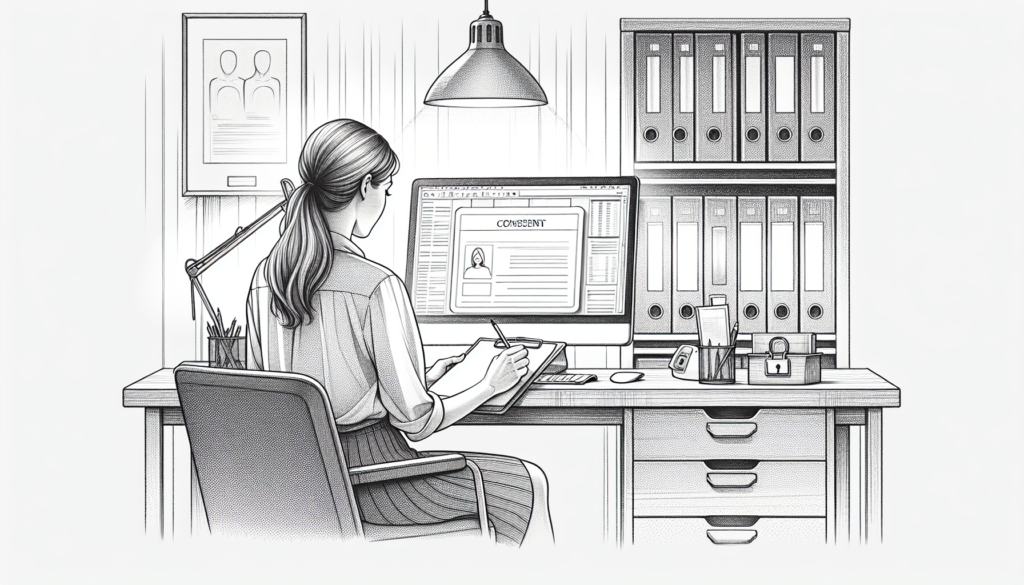
Designed for practicing BCBA/BCaBA analysts and students in behavior analysis, this post addresses ethical documentation workflows in ABA. It covers technology, templates, and privacy basics to help you streamline records while upholding ethical standards. Learn how to turn ABA data into clear, defensible decisions through real-world examples and case applications.
ABA Software & Tools Guide: Choosing, Setting Up, and Using Tech Without the Headaches: Real-World Examples and Case Applications

This guide is for behavior analysts, clinicians, and program leaders who need to choose, set up, and use ABA software without unnecessary hurdles. It shows how to translate ABA data into clear, ethical decisions, with real-world examples and case applications covering setup, workflows, privacy, and reporting. The focus is practical, clinician‑friendly guidance that supports ethical decision-making and sound data use rather than hype.
Ethical Documentation Workflows in ABA: Tech, Templates, and Privacy Basics: Tools, Templates, and Checklists

This post is for practicing behavior analysts and ABA clinicians seeking ethical, practical documentation workflows. It shows how to use technology, templates, and checklists to turn ABA data into clear, defensible decisions while prioritizing privacy. You’ll find actionable guidance to align data collection, analysis, and reporting with ethical standards and privacy requirements.
Ethics & Compliance for ABA Businesses: Billing, Supervision, and Risk Reduction: Real-World Examples and Case Applications

Designed for ABA program directors, clinic owners, supervisors, and compliance leads, this post addresses billing, supervision, and risk reduction. It demonstrates how to turn ABA data into clear, ethical decisions using real-world examples and case applications. The focus is practical and clinician-friendly, supporting compliant practice and reduced ethical and regulatory risk.
Ethics & Compliance for ABA Businesses: Billing, Supervision, and Risk Reduction: Common Mistakes and How to Avoid Them

This post is for ABA business owners, supervisors, and clinicians seeking stronger ethics and compliance in billing, supervision, and risk management. It identifies common mistakes and provides practical, data-driven steps to avoid them. By turning ABA data into clear, ethical decisions, readers can improve accountability, protect clients, and reduce risk.
Ethical Documentation Workflows in ABA: Tech, Templates, and Privacy Basics
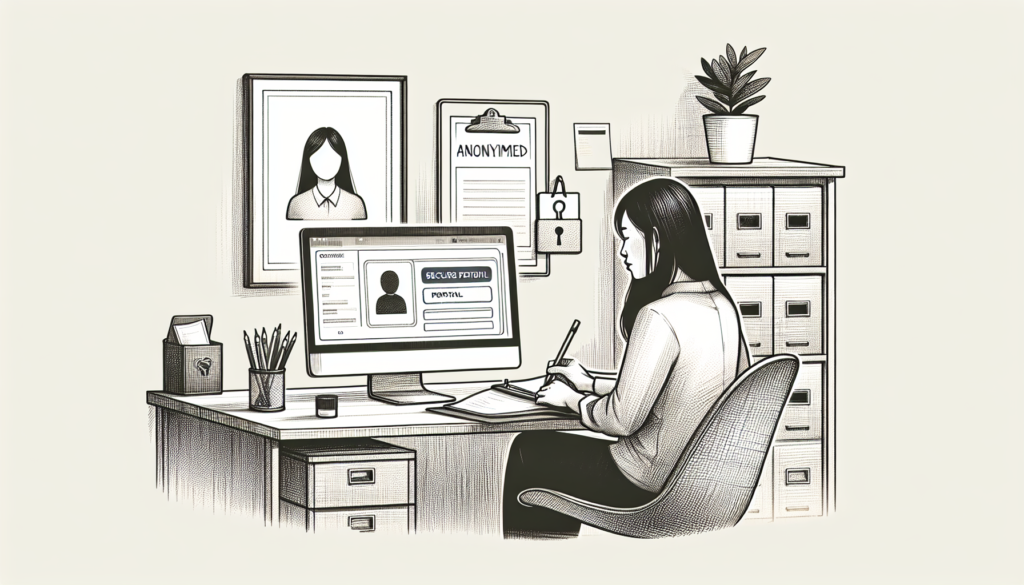
This post is for BCBA/BCaBA clinicians and other ABA practitioners who handle client data. It outlines ethical documentation workflows using accessible tech, ready-to-use templates, and essential privacy basics. You’ll learn practical steps to turn ABA data into clear, ethical decisions while maintaining confidentiality and compliance.
Ethics & Compliance for ABA Businesses: Billing, Supervision, and Risk Reduction

Designed for ABA business owners, supervisors, and clinicians, this post explains ethical and compliant approaches to billing, supervision, and risk management. It shows how to turn ABA data into clear, defensible decisions and policies. With practical steps to reduce risk and uphold program integrity, it supports lawful billing, quality supervision, and ethical practice.