
Effective 1-on-1 Meetings: Structured Agendas for ABA Team Leaders

A practical template for ABA team leaders — BCBA managers, clinic directors, and RBT supervisors — to run consistent, focused one‑on‑one staff check‑ins. Includes editable Word/PDF files, a time‑boxed agenda, scripts, a HIPAA‑safe example, and an action‑item tracker to turn meeting notes and ABA‑derived staff data into clear, accountable decisions. Designed for people‑management (workload, development, morale) and to keep clinical case details in separate supervised documentation so decisions remain ethical and compliant.
When to Rethink Your Approach to Interdisciplinary Practice

This post is for BCBAs, clinical supervisors, clinic owners, and teams coordinating ABA across clinics, schools, and medical settings. It helps you turn ABA data into clear, ethical, learner- and family-centered decisions by focusing on dignity, assent, shared goals, role clarity, and routine communication. Practical templates and a 7-day reset plan guide you to spot drift, repair breakdowns, and implement tangible improvements that respect learner dignity.
What Most People Get Wrong About Interdisciplinary Practice

For BCBAs collaborating with SLPs, OTs, school teams, and medical providers, this post identifies common interdisciplinary practice mistakes that create mixed messages for learners. It offers a dignity-first, practical framework to translate ABA data into shared goals, explicit roles, and consistent follow-through across settings. Practical tools include terminology alignment, role-clarity scripts, a simple “3 decisions” meeting close, and recap templates to support ethical, learner-centered decisions.
H.8. Collaborate with others to support and enhance client services.

This post helps practicing BCBAs, clinic leaders, senior RBTs, and clinically minded caregivers learn how to collaborate with families, teachers, therapists, and physicians to support client services. It focuses on turning ABA data into clear, ethical decisions across home, school, and clinic, and clarifies the difference between collaboration and consultation with practical steps for aligning goals, roles, and data. It also covers consent, confidentiality, documentation, and strategies for resolving disagreements to sustain effective, client-centered treatment.
B.20. Identify the role of multiple control in verbal behavior.
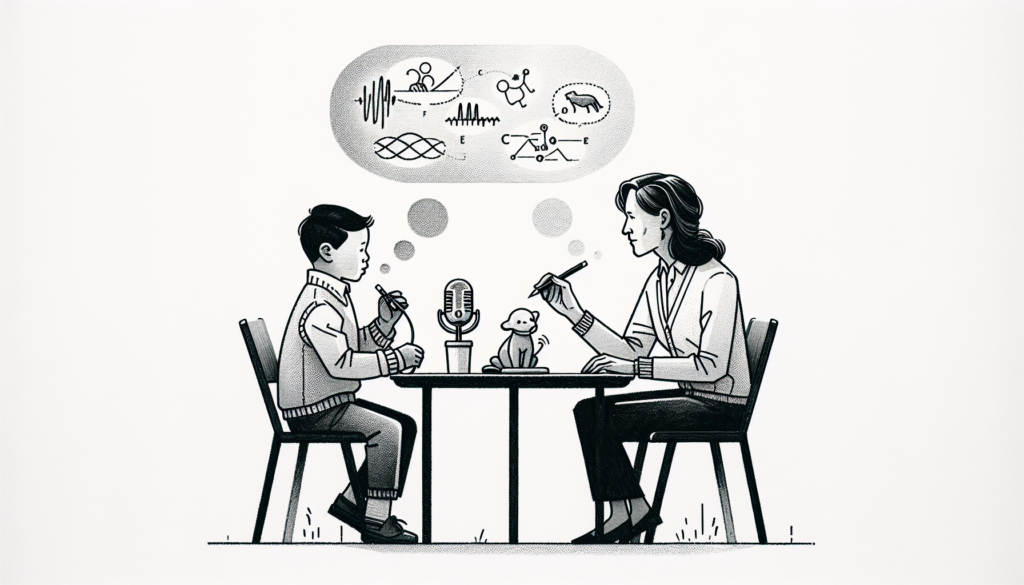
This post is for behavior analysts, clinicians, and educators applying ABA to verbal behavior. It explains convergent and divergent multiple control and shows how to test MO, SD, and prompts to distinguish true control from prompting, improving assessment validity and generalization. It guides turning ABA data into clear, ethical decisions about prompting, fading, and expanding a flexible, communicative repertoire that respects the learner’s intent.
When to Rethink Your Approach to Caregiver Collaboration

Designed for ABA clinicians, supervisors, and care teams working with families, this post presents caregiver collaboration best practices with practical, ethical guidance. It shows how to turn routine ABA data into concrete decisions about roles, communication, and shared care plans, reducing conflict and stress. It also identifies signals that collaboration needs a rethink and offers templates to support family meetings, role definitions, and privacy-conscious use of technology.
What Most People Get Wrong About Leadership & Management

This post is for ABA clinic leaders—directors, supervisors, and clinicians who are stepping into management. It presents a top-10 list of leadership and management mistakes with practical, ethics-first fixes and real-world examples to guide everyday decisions. It helps translate ABA program data into clear, ethical decisions and includes a printable checklist to support implementation.
What Most People Get Wrong About Caregiver Collaboration

This post is for behavior analysts, clinicians, and teams working with families in ABA. It identifies the top caregiver collaboration mistakes—especially around communication, handoffs, and role clarity—and offers practical fixes. By translating ABA data into clear, ethical decisions and simple tools (scripts, meeting agendas, shared goals), it helps improve collaboration and carryover without blame.
What Most People Get Wrong About Tech Implementation & Change Management

Designed for ABA clinic leaders, clinicians, and administrators, this practical guide highlights the tech-implementation and change-management mistakes that derail adoption in real-world settings. It shows how to translate implementation data into clear, ethical decisions—covering communication, buy-in, training, and leadership sponsorship, with a recovery path if a rollout goes off track. Each mistake comes with concrete fixes, clinician-friendly language, and templates to turn ABA data into decisions that protect client dignity and privacy.
Interdisciplinary Practice in ABA: Collaborating With SLPs, OTs, Schools, and Physicians: Tools, Templates, and Checklists

This post is for BCBA/BCaBA professionals, SLPs, OTs, school teams, and physicians seeking practical guidance on interdisciplinary ABA practice. It focuses on turning ABA data into clear, ethical decisions through collaborative workflows and transparent communication. Included are tools, templates, and checklists to support ethical data sharing, aligned goals, and informed decisions across settings.