
How to Know If Caregiver Collaboration Is Actually Working

Designed for practicing BCBAs, clinical supervisors, and clinic leaders, this guide translates caregiver collaboration into observable ABA data. It offers a simple scorecard, plain-language decision rules, and practical templates to troubleshoot without blaming families, anchored in dignity and assent. Use these tools to turn collaboration metrics into clear, ethical decisions that fit real-life routines and guide program adjustments.
When to Rethink Your Approach to Caregiver Collaboration
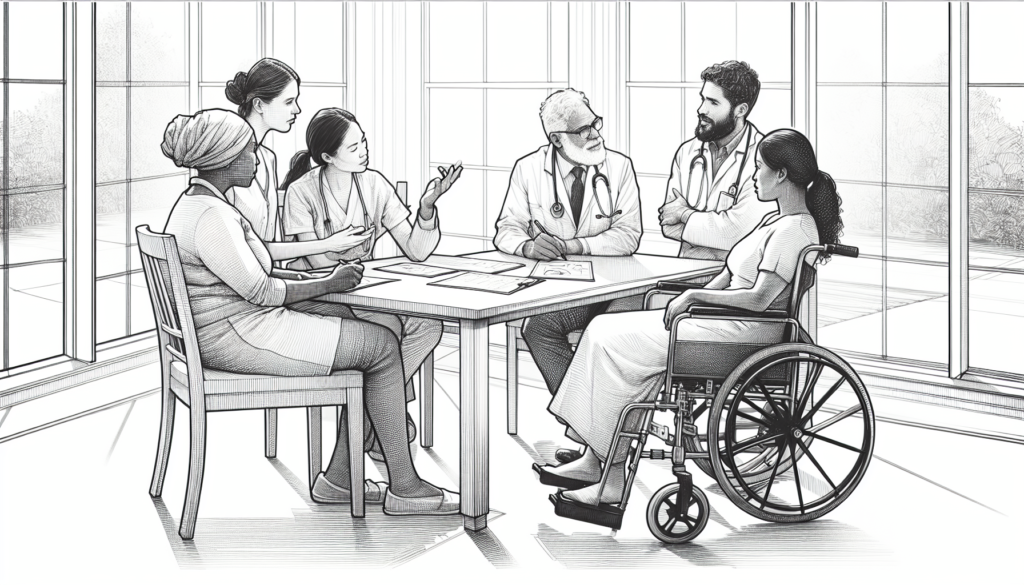
Designed for ABA clinicians, supervisors, and care teams working with families, this post presents caregiver collaboration best practices with practical, ethical guidance. It shows how to turn routine ABA data into concrete decisions about roles, communication, and shared care plans, reducing conflict and stress. It also identifies signals that collaboration needs a rethink and offers templates to support family meetings, role definitions, and privacy-conscious use of technology.
What Most People Get Wrong About Caregiver Collaboration

This post is for behavior analysts, clinicians, and teams working with families in ABA. It identifies the top caregiver collaboration mistakes—especially around communication, handoffs, and role clarity—and offers practical fixes. By translating ABA data into clear, ethical decisions and simple tools (scripts, meeting agendas, shared goals), it helps improve collaboration and carryover without blame.