
Toward a procedure to study rule-governed choice: preliminary data

For BCBAs and clinicians in ABA, this post translates experimental findings on rule conflict into practical assessment and treatment guidance. It explains how reinforcement histories — not just verbal reports — predict which rule a learner will follow across settings, and offers data-driven strategies to reduce confusion and align team responses. Use these steps to turn routine ABA data about payoffs and cue availability into clear, ethical decisions that prioritize learner dignity and consistent outcomes.
B.6. Identify and distinguish between automatic and socially mediated contingencies.
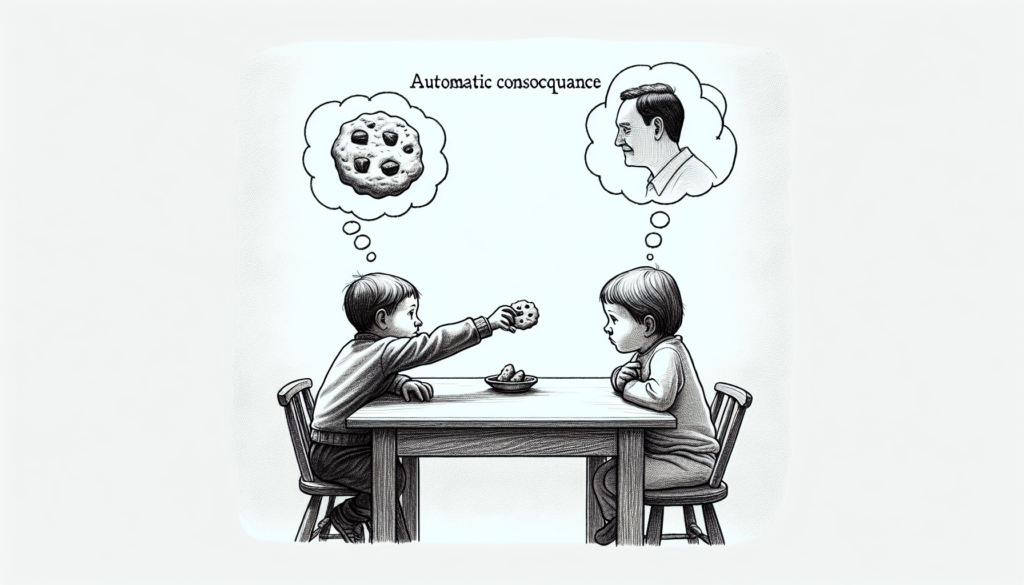
This post is for practicing BCBAs, clinic owners, supervisors, and clinicians who need to distinguish automatic from socially mediated contingencies. It offers practical observation methods, ABC data interpretation, and functional-analysis considerations to identify function and guide appropriate, least-intrusive interventions. The focus is on turning ABA data into clear, ethical decisions that tailor treatment to the true reinforcement maintaining the behavior.
B.20. Identify the role of multiple control in verbal behavior.
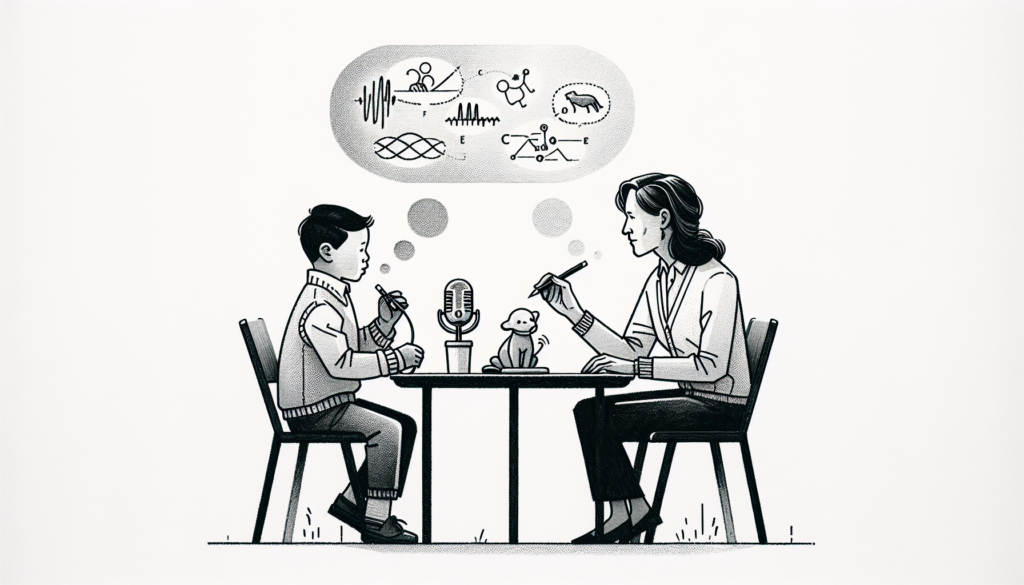
This post is for behavior analysts, clinicians, and educators applying ABA to verbal behavior. It explains convergent and divergent multiple control and shows how to test MO, SD, and prompts to distinguish true control from prompting, improving assessment validity and generalization. It guides turning ABA data into clear, ethical decisions about prompting, fading, and expanding a flexible, communicative repertoire that respects the learner’s intent.
B.1. Identify and distinguish among behavior, response, and response class.
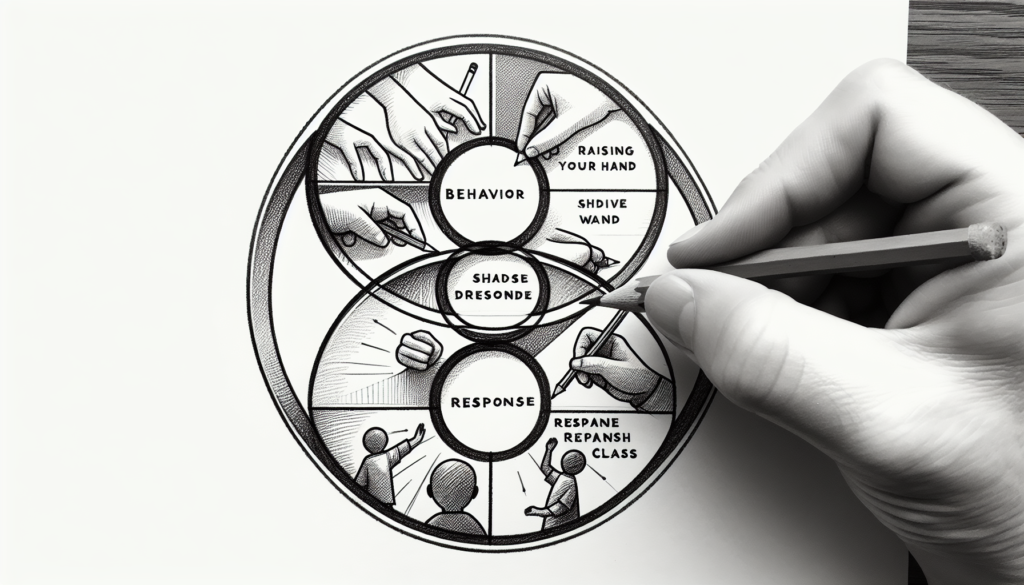
This post is for BCBAs, clinic directors, supervisors, and caregivers who want to reduce measurement errors and ineffective interventions by clearly distinguishing behavior, response, and response class. It explains each unit, why the distinction matters for assessment and data interpretation, and how to design function-based, ethically sound interventions. By focusing on function over form, you’ll translate ABA data into clear, least-intrusive decisions that address the learner’s underlying needs.
Stimulus vs Stimulus Class in ABA: Examples & Differences

Stimulus vs stimulus class explained with real ABA examples. Definitions, the formal/temporal/functional class breakdown, plus a quick mock exam question.
B.17. Distinguish between motivating operations and stimulus control.

This post is written for BCBA professionals and clinicians working in ABA who need to distinguish motivating operations from stimulus control to improve assessment and planning. It translates data into clear, ethical decisions by showing how to determine whether behavior is driven by current reinforcer value (MO) or by learned cues (Sd/SΔ) and how to apply that insight in practice. You’ll find practical diagnostic questions, concise examples, and ethics-focused guidance to support least-restrictive, transparent interventions.
A.1. Identify the goals of behavior analysis as a science (i.e., description, prediction, control).

This post is for practicing clinicians, clinic leaders, and senior supervisors—BCBAs, RBTs, and caregivers—who want to apply ABA data ethically. It clarifies the three goals of ABA—description, prediction, and control—and shows how to turn data into clear, testable decisions while upholding informed consent, least-restrictive practices, and social validity. By emphasizing objective description and data-driven interventions, it helps you move from observation to reliable action that respects client dignity and improves outcomes.