
Using AI-powered video feedback to improve ergonomics: An analog experiment

For behavior analysts and clinicians aiming to reduce desk‑related neck strain, this post reviews a practical workflow for using short AI‑generated video feedback alongside ABA measurement. It summarizes an analog study showing improvement in neck posture, plus guidance on measurement limits, consent/privacy, fading plans, and environmental fixes. The emphasis is on using ABA data as one objective input to make clear, individualized, and ethically sound decisions about feedback and maintenance.
What Most People Get Wrong About Future of ABA Technology

Applied Behavior Analysis leaders and clinicians will find this practical guide to the future of ABA technology—clearly separating myths from real trends in AI, data tools, and compliance. It spotlights the most common clinic mistakes (HIPAA pitfalls, documentation gaps, implementation missteps) and shows how to use ABA data to make clear, ethical decisions. The piece also covers near-term timelines (like 2026 RBT changes), learner dignity, and how to balance tech adoption with sound clinical judgment, without hype.
AI & Automation for BCBAs: Real Workflows That Save Hours Each Week: Common Mistakes and How to Avoid Them
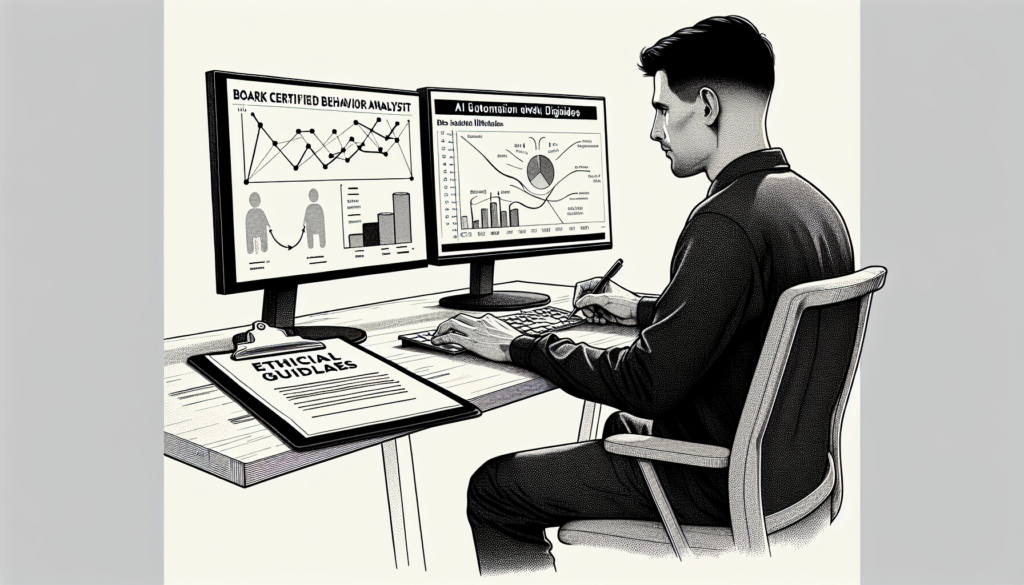
Designed for BCBAs and behavior analysts, this post shows practical AI and automation workflows that save hours each week. It covers common mistakes and how to avoid them with real-world steps you can apply now. The focus is on turning ABA data into clear, ethical decisions to support effective treatment and compliance.
The Future of ABA Technology: What’s Coming and How to Prepare (Without the Hype): Real-World Examples and Case Applications

This post is for behavior analysts, clinicians, and program leaders who rely on ABA data. It examines upcoming ABA technology through real-world case applications, with a practical, ethics-first perspective to help you prepare without hype. The focus is on turning data into clear, ethical decisions for intervention planning, measurement, and program improvement.
The Future of ABA Technology: What’s Coming and How to Prepare (Without the Hype)

Designed for BCBA clinicians, program directors, and other ABA professionals, this post weighs upcoming ABA technology without hype and offers practical steps to prepare. It explains how to evaluate new tools for reliability, privacy, and ethics, with a focus on turning behavioral data into clear, defensible clinical decisions. Readers will gain strategies to integrate technology while maintaining person-centered, evidence-based practice. It helps practitioners anticipate changes, safeguard data, and use analytics to guide ethical decisions.
The Complete Guide to AI & Automation in ABA

This pillar-style guide is written for BCBA/ABA clinicians and ABA practice leaders seeking an ethics-first approach to AI and automation across documentation, data collection, scheduling, and reporting. It defines AI in plain language, covers privacy, security, and HIPAA considerations, and provides step-by-step workflows, session-note guardrails, and practical checklists to turn data into clear, compliant decisions. The post helps you evaluate tools, understand where AI adds value versus where human oversight remains essential, and includes a vendor questionnaire to safeguard safety, accuracy, and client dignity.