
Ableism in applied behavior analysis: historical context of services for autistic people

For behavior analysts, supervisors, and clinicians working with Autistic people, this review identifies how ableism can shape goals, targets, and service models. It provides concrete clinical checks—function-based thinking, social validity measures, assent practices, and documentation prompts—to reduce that risk. The focus is practical: use everyday ABA data to make clear, ethical decisions that prioritize learner safety, access, comfort, and choice.
Cultural Humility in ABA: A Practical Guide for BCBAs

What cultural humility looks like in ABA service delivery and supervision — self-reflection, power, and culturally responsive practice. Free CEUs.
E.10. Apply culturally responsive and inclusive service and supervision activities.
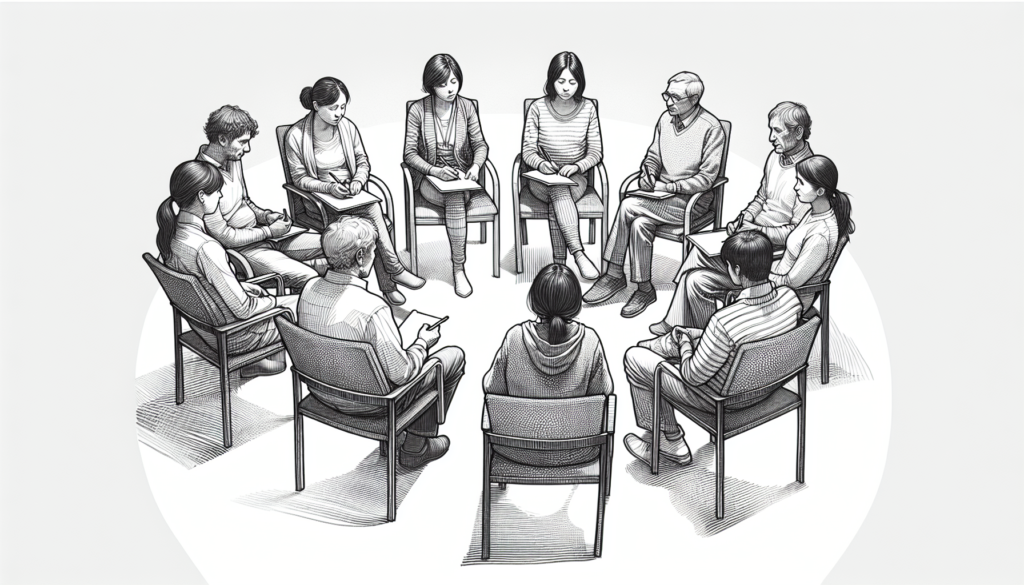
This guide is for BCBAs and clinical supervisors seeking to translate ABA data into culturally responsive, ethical practice. It shows how to bridge the gap between textbook interventions and a family’s values by adapting assessment, goals, supervision, and documentation without sacrificing rigor. Receive practical steps to turn ABA data into clear, ethical decisions that align with family priorities and improve engagement.
F.2. Identify and integrate relevant cultural variables in the assessment process.
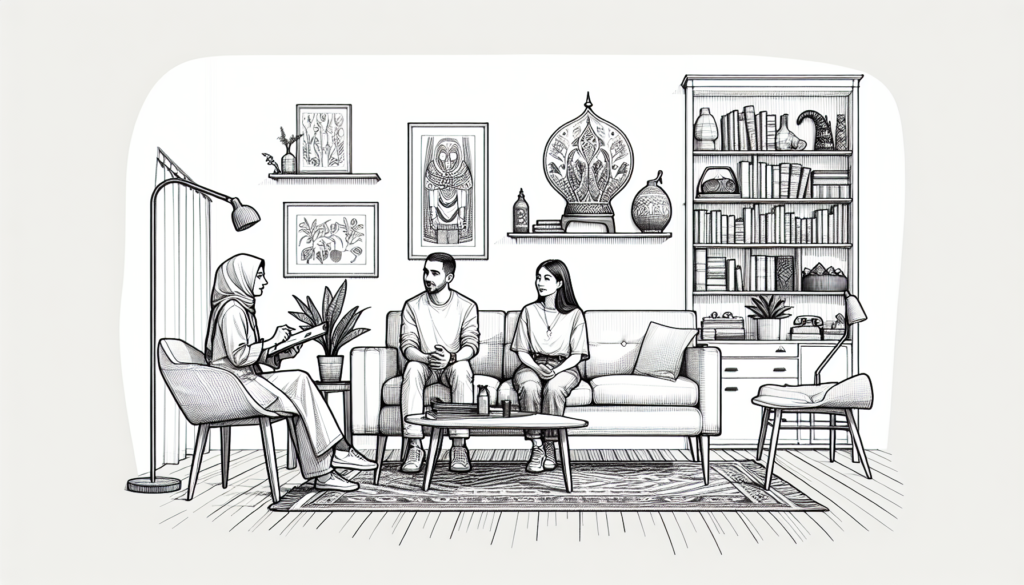
This post is for BCBA practitioners, clinic directors, and senior clinicians working with diverse families who want assessments to reflect lived experiences. It shows how to identify and integrate cultural variables into the ABA assessment process to improve validity, ethics, and real-world outcomes. You’ll find practical steps—intake conversations, qualified language support, transparent documentation, and family-centered goal setting—to turn ABA data into clear, ethical decisions.