
C.4. Measure temporal dimensions of behavior (e.g., duration, latency, interresponse time).

This post is for BCBAs, clinic directors, senior supervisors, and caregivers who want to move beyond simple frequency counts. It explains how duration, latency, and interresponse time reveal how long, how quickly, and how spaced a behavior is, guiding you toward precise, ethical intervention decisions. It emphasizes clear onset/offset definitions, robust interobserver agreement, and privacy considerations so data support responsible clinical decisions.
C.6. Design and apply discontinuous measurement procedures (e.g., interval recording, time sampling).

This guide is written for BCBAs, clinic directors, and senior RBTs in classrooms or clinics where one-on-one observation isn’t realistic. Learn how to design and apply discontinuous measurement procedures (interval recording, time sampling), choose appropriate interval lengths, and report results ethically so data guide decisions. The emphasis is on turning ABA data into clear, defensible choices while documenting methods, acknowledging limitations, and maintaining interobserver agreement.
C.5. Distinguish between continuous and discontinuous measurement procedures.
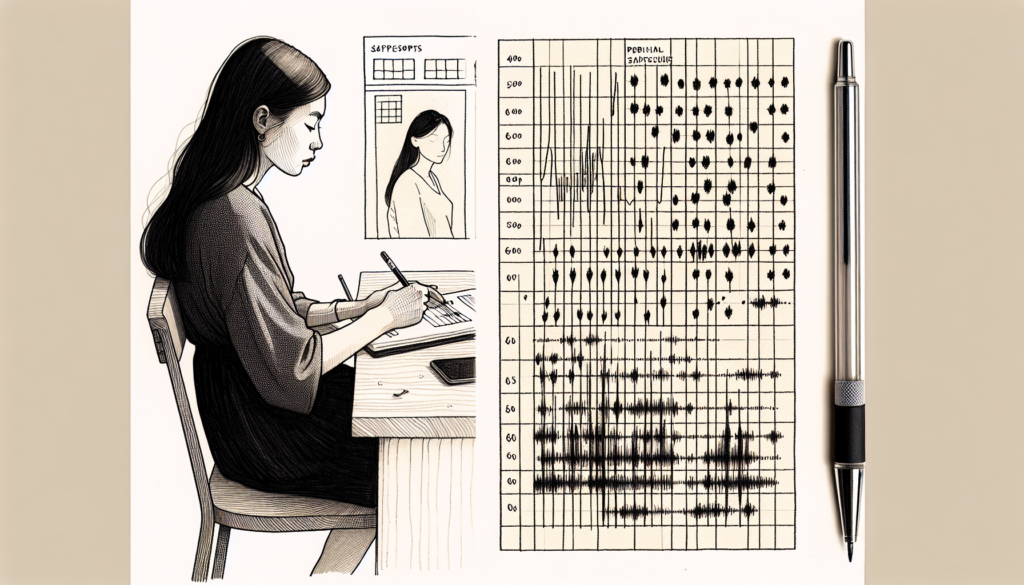
Designed for behavior analysts, clinicians, and educators applying ABA, this post clarifies when to use continuous versus discontinuous measurement and what the data truly mean. It highlights practical decision points, common biases, and ethical considerations to ensure data are interpreted accurately. Use this guidance to turn ABA data into clear, ethical decisions that prioritize safety, effectiveness, and client dignity.
C.12. Select a measurement procedure to obtain representative procedural integrity data that accounts for relevant dimensions and environmental constraints.

Designed for practicing BCBAs, clinic owners, supervisors, and senior RBTs, this post guides you in selecting a procedural integrity measurement approach that yields representative, actionable data. It shows how to balance key dimensions (occurrence, accuracy, sequence, dosage) with real-world constraints so you can tell whether client progress reflects the intervention or its delivery across staff and settings. You’ll learn practical decision steps, measurement methods (continuous recording, sampling, permanent products), and how to validate fidelity with IOA while protecting consent and privacy. The aim is to turn ABA fidelity data into clear, ethical decisions that improve implementation and client welfare.
Comparison of enhanced and standard data sheets on treatment fidelity and data collection for tact training

This post asks whether an enhanced data sheet improves accuracy and fidelity in tact training compared with a standard form, with practical implications for busy ABA supervisors. It offers ethics-focused, clinician-friendly guidance on using pre-set trial order and prompts to support onboarding and data-driven program decisions. It also cautions about the study’s limits, and emphasizes routine accuracy checks and a standardized, low-cost template approach.
How to Know If Data Collection & Analysis Is Actually Working

This concise guide helps ABA clinicians and clinical teams determine whether their data collection & analysis effectiveness is actually producing useful, accurate information for decision-making. It provides an end-to-end, practical checklist with green flags and red flags, plus simple examples of good vs. poor data and steps to address gaps—all framed around dignity, assent, and least-intrusive measurement. Designed to translate generic evaluation tips into ABA-specific practice, it shows how to turn data into clear, ethical decisions that support program integrity and client outcomes.
ABA Data Collection & Analysis: Simple Systems for Better Clinical Decisions: Tools, Templates, and Checklists

Designed for BCBA/BCaBA clinicians and behavior analysts, this post offers practical data collection and analysis systems for ethical decision-making in everyday practice. It shows how to turn ABA data into clear, actionable conclusions using simple tools, templates, and checklists. By streamlining data workflows, it helps clinicians make better treatment decisions while upholding ethical standards and client dignity.
ABA Data Collection & Analysis: Simple Systems for Better Clinical Decisions: Real-World Examples and Case Applications

Designed for behavior analysts, clinicians, supervisors, and students working in ABA, this post presents simple data collection and analysis systems that support transparent, ethical decision making. It focuses on turning raw ABA data into clear, defensible clinical decisions by applying practical methods. Real-world examples and case applications illustrate how to implement these systems in everyday practice.
ABA Data Collection & Analysis: Simple Systems for Better Clinical Decisions: Common Mistakes and How to Avoid Them

Designed for behavior analysts, clinicians, and students practicing in ABA, this post helps you turn data into ethical, actionable decisions. It outlines common mistakes in data collection and analysis and provides simple, practical systems to avoid them. With a focus on clarity and responsibility, it supports better clinical decisions and ongoing program quality.
ABA Data Collection & Analysis: Simple Systems for Better Clinical Decisions

ABA Data Collection & Analysis: Simple Systems for Better Clinical Decisions offers practical, ethically grounded methods for collecting and analyzing behavior-analytic data. Designed for BCBA/BCaBA clinicians and other ABA practitioners, it helps address the challenge of turning raw data into clear, ethical treatment decisions. The post presents straightforward data collection tools, analysis steps, and decision rules to translate data into transparent, client-centered interventions.