
What Most People Get Wrong About Ethical Tech & Documentation Workflows

This article is for ABA clinic directors, practicing BCBAs, and supervisors who are evaluating automation or managing documentation workflows. It outlines common ethical and HIPAA risks with ambient and automated documentation and gives practical, step‑by‑step fixes—checklists, consent scripts, templates, and a 10‑minute self‑audit. The goal is to help you turn ABA data into clear, defensible clinical decisions through human‑in‑loop review, audit trails, and ongoing governance.
Training in trial-based functional analysis via computer-based instruction and behavioral skills training

For BCBAs, supervisors, and clinicians who train staff in functional assessment, this study examines whether computer-based instruction alone produces competent trial-based functional analysis (TBFA) implementation. It shows that online knowledge gains don’t guarantee correct trial execution and recommends a practical sequence—online pre-work, scored role-play, telehealth BST with performance feedback, and scheduled boosters—to preserve procedural integrity. Using this approach helps ensure TBFA data are valid so teams can turn ABA assessment results into clear, ethical treatment decisions.
AI & Automation for BCBAs: Real Workflows That Save Hours Each Week: Tools, Templates, and Checklists

This ethics‑first guide is for BCBAs and clinic leaders who want to reclaim time spent on session notes, progress reports, and treatment‑plan updates. It provides practical workflows, de‑identified prompt templates, and a simple four‑week pilot plan to introduce AI safely while keeping clinicians firmly in the loop. Use your ABA data to generate clear, auditable drafts and trend flags that support — not replace — clinical judgment and ethical decision‑making.
AI & Automation for BCBAs: Real Workflows That Save Hours Each Week: Real-World Examples and Case Applications

For BCBAs, supervisors, and clinic leaders seeking to reduce paperwork and make data-driven choices, this practical guide shows how to use AI and automation without compromising ethics. It provides step-by-step workflows, clinician-ready templates, and prompt patterns to turn ABA data into clear, verifiable decisions with human oversight. Follow the HIPAA-safe checklists and pilot steps to implement small, reversible changes that protect privacy and clinical judgment.
Effects of correct versus incorrect response feedback on work performance
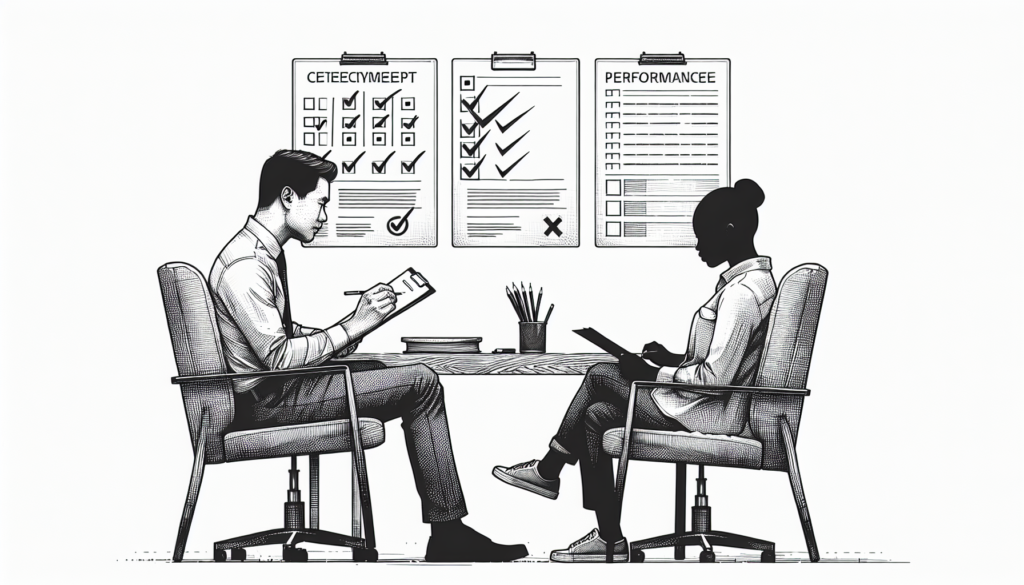
For BCBAs, supervisors, and clinicians working with severe problem behavior, this post summarizes research on therapist-worn protective equipment and why staff do or don’t use it. It helps teams struggling with inconsistent or impractical PE use by outlining a brief decision tool and practical steps to match protection to observed contact sites while preserving mobility and dignity. Emphasizing data-driven, ethical choices, it shows how simple ABA data (contact locations and rates) can guide least-restrictive, workable PE prescriptions and ongoing monitoring.
What Most People Get Wrong About Onboarding & Training

For clinic owners, clinical directors, and BCBAs supervising new hires, this guide diagnoses the onboarding and training errors that undermine staff competence and client safety. It offers practical, role‑specific fixes — one‑page role sheets, competency checklists, 30/60/90 milestones, and a clear supervision cadence — to verify skills before independent practice. It also explains how to collect and use a few simple ABA measures (competency pass rates, supervisor touchpoints, readiness surveys) to make clear, ethical decisions about staff readiness and client care.
Caregiver Collaboration in ABA: Buy-In, Training, and Real-World Follow-Through: Tools, Templates, and Checklists

This ethics-first guide helps BCBAs, clinical supervisors, RBTs, and clinic leads partner with caregivers so skills generalize beyond the clinic. It offers concise coaching methods, simple data rules, and ready-to-use templates—consent/assent scripts, fidelity checklists, and communication plans—to translate caregiver-collected ABA data into clear, ethical clinical decisions. Use these practical tools to earn buy-in, coach with dignity, and make timely, data-informed adjustments without blaming or overburdening families.
Verbal mediation during auditory equivalence class formation using go/no-go successive matching-to-sample

For clinicians and behavior analysts, this post shows how to turn ABA auditory matching data into clear, ethical decisions about assessment and instruction. It summarizes a controlled study showing that requiring verbal report during initial go/no‑go probes can change performance and that verbal mediation often tracks with—but does not prove—emergent responding. Practical guidance covers sequencing probes, when to collect talk‑aloud data, and how to avoid adding response demands that confound measurement or dignity.
Leadership for Staffing Stability: How ABA Leaders Prevent Turnover Before It Starts: Tools, Templates, and Checklists

Practical guide for ABA clinic leaders and BCBAs in management who need to prevent turnover and protect client continuity. It shows how to turn simple ABA data—turnover rates, tenure, and succession coverage—into clear, ethical staffing decisions and includes ready‑to‑use checklists, scripts, and a leader self‑assessment. The emphasis is on systems and small, actionable steps that preserve client safety and staff dignity.
When to Rethink Your Approach to Assent‑Based & Modern ABA Practice

A calm, ethics‑first guide for BCBAs, supervisors, and clinic leaders who need practical tools to center learner assent. It provides behaviorally defined indicators, measurement templates, scripts, and a one‑page decision flowchart to turn ABA data into clear, ethical clinical decisions. Supervision, training, and policy tips show how to document and act on assent and dissent while preserving dignity and safety.