
F.5. Design and evaluate descriptive assessments.

A practical guide for ABA clinicians, including BCBAs, supervisors, and caregiver partners, on designing and evaluating descriptive assessments in everyday practice. It explains how to collect direct observations ethically and use the data to form testable hypotheses about function, guiding next steps without overstating causation. You’ll learn how to choose methods, plan sampling, ensure consent and privacy, and translate descriptive findings into clear, ethically sound decisions for intervention design.
G.15. Design and evaluate procedures to promote generalization.

This post explains how to design and evaluate generalization procedures in ABA to ensure skills transfer across people, settings, and time. It’s for BCBAs, clinic directors, senior therapists, and caregivers who want to turn clinic gains into real-world independence, using practical strategies like MET, programming common stimuli, NET, and generalization probes guided by baseline and maintenance data. The focus is on turning ABA data into clear, ethical decisions that promote functional outcomes and social validity.
G.14. Design and evaluate group contingencies.

Design and evaluate group contingencies in ABA with a practical, ethics-first approach for BCBAs, supervisors, clinic owners, and senior staff. The guide covers independent, dependent (hero), and interdependent contingencies, how to define observable targets, set criteria, and collect both group- and individual-level data. It centers on turning ABA data into clear, ethical decisions—guarding dignity, consent, and safety while adjusting plans for learners who need extra support.
E.2. Identify the risks to oneself, others, and the profession resulting from unethical behavior.

This post is for practicing behavior analysts, clinic owners, and senior supervisors who want to navigate ethical uncertainty and protect clients. It describes the three domains of risk—to the practitioner, to clients and families, and to the profession—and why a single unethical act can cascade across all three. Through a practical framework, it shows how to turn ABA data and observations into clear, ethical decisions that prevent harm and strengthen professional practice.
I.7. Make data-based decisions about the efficacy of supervisory practices.

This post is for ABA supervisors, clinicians, and clinic leaders who want to know whether their supervisory practices actually improve staff performance and client outcomes. It offers a practical, ethics-first framework for collecting and interpreting process and outcome data, establishing baselines, and ensuring reliability (IOA) with simple graphs to guide decisions. The goal is to turn ABA data into clear, defensible choices about which supervisory approaches to keep, modify, or drop—without compromising client safety or staff support. Learn how to translate data into transparent, ethical decisions about supervisory efficacy.
E.10. Apply culturally responsive and inclusive service and supervision activities.
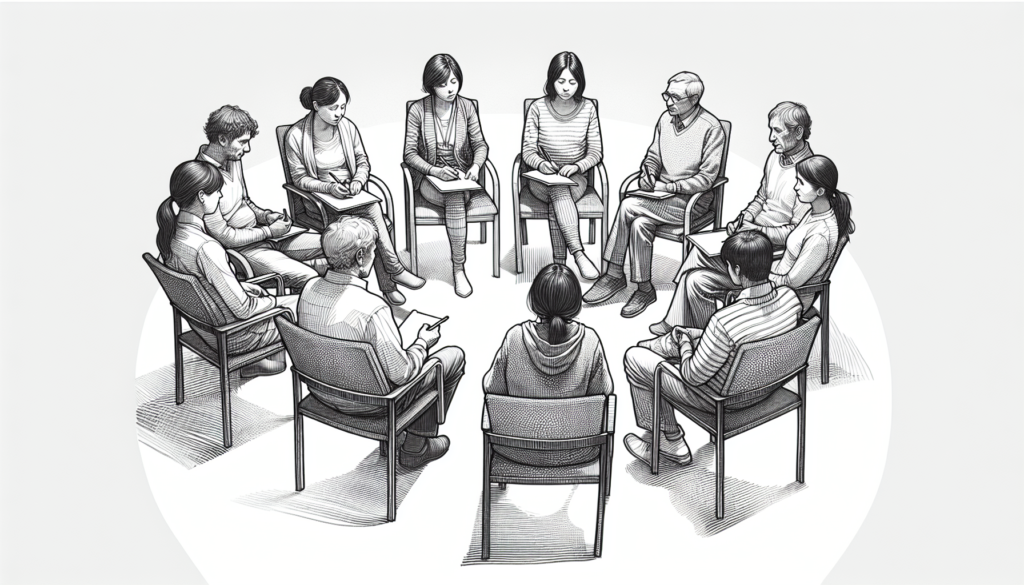
This guide is for BCBAs and clinical supervisors seeking to translate ABA data into culturally responsive, ethical practice. It shows how to bridge the gap between textbook interventions and a family’s values by adapting assessment, goals, supervision, and documentation without sacrificing rigor. Receive practical steps to turn ABA data into clear, ethical decisions that align with family priorities and improve engagement.
E.1. Identify and apply core principles underlying the ethics codes for BACB certificants.

Designed for practicing BCBAs, BCaBAs, supervisors, and senior RBTs, this post helps you turn ABA data into clear, ethical decisions instead of box‑checking. It unpacks the four core BACB principles—benefit others, treat with compassion and respect, integrity, and ensure competence—and shows how to apply them when standards clash or legal duties apply. You’ll gain a practical decision‑making framework that safeguards client welfare, supports transparent documentation, and guides you through common ethical gray areas.
G.8. Design and implement procedures to fade prompts.

Designed for ABA clinicians, BCBA/BCaBA teams, and caregivers, this post explains how to design and implement prompt fading procedures to reduce prompt dependence. It emphasizes data-driven planning—mastery criteria, prompt hierarchies, and decision rules—to help learners respond to natural cues and generalize skills. It foregrounds ethical practice, focusing on dignity, least-intrusive prompts, and turning ABA data into clear, actionable fading decisions.
I.5. Identify and apply empirically validated and culturally responsive performance management procedures.

Designed for ABA supervisors, clinical leaders, and practice managers who supervise RBTs, this post tackles performance drift and training plateaus. It presents empirically validated, culturally responsive performance management procedures that turn data into ethical, actionable coaching decisions. Learn practical steps—objective targets, baselines, timely feedback, reinforcement, and cultural adaptation—to improve protocol fidelity and client outcomes.
C.3. Measure occurrence.

Designed for BCBAs, clinic directors, and supervisors, this concise guide clarifies when occurrence measurement is the right tool in ABA data collection and how to implement it reliably. It covers defining start/stop criteria, converting counts to rate or percentage, and knowing when duration or interval methods are more appropriate—so your data answer the clinical question, not just fill a form. With practical scenarios and emphasis on interobserver agreement and ethics, it helps you turn ABA data into clear, ethical, data‑driven decisions for client care.