
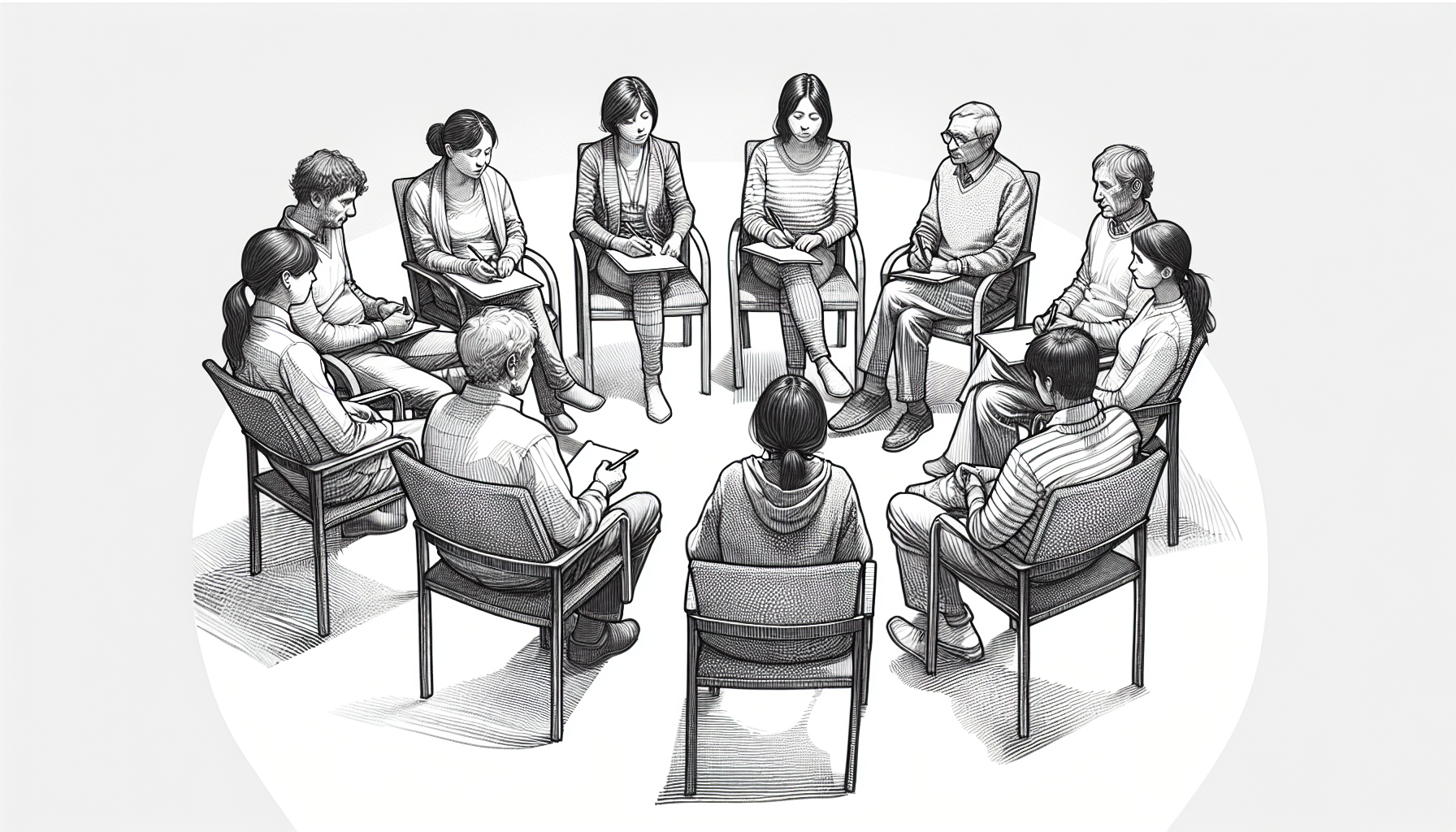

If you’re a BCBA or clinical supervisor, you’ve probably noticed that the same intervention doesn’t land the same way with every family. A reinforcement strategy that works beautifully in one home might feel misaligned in another. That gap—between a textbook intervention and a family’s actual values, communication style, and daily life—is where culturally responsive and inclusive service comes in.
This isn’t a training checkbox or a feel-good addition to your practice. It’s a clinical necessity that directly affects whether families engage with treatment, whether goals actually matter to them, and whether your team can deliver their best work. In this guide, we’ll walk through what cultural responsiveness means in ABA, why it matters, and how to build it into your daily practice, supervision, and documentation. See also: BACB ethics code on cultural responsiveness.
What “Culturally Responsive and Inclusive” Really Means
Culturally responsive ABA is an ongoing, collaborative process that recognizes and adapts to a client’s cultural identity, values, and communication style. It’s different from simply being aware of cultural differences. Responsiveness means you take that awareness and intentionally weave it into assessment, goal-setting, intervention, and supervision.
Inclusive service goes hand in hand with this. Inclusion means actively involving clients and families in decisions, removing barriers to access, and centering their culture in how services are designed and delivered. It’s the opposite of a one-size-fits-all approach.
Here’s a concrete example: A family eats all meals together with extended relatives. Rather than forcing mealtime goals to fit a protocol centered on independent eating, a culturally responsive BCBA would ask what mealtime success looks like to them, adapt goals to honor their communal eating style, and train all the caregivers who participate. The behavior-analytic principles stay intact—reinforcement, shaping, clear measurement—but the context, goals, and delivery shift to match the family’s reality. See also: research on culturally responsive behavioral interventions.
Why This Matters in Your Clinical Work
The stakes are real. When interventions clash with a family’s values, treatment adherence drops. Families may skip sessions, not implement strategies at home, or quietly disengage because the plan doesn’t feel right to them. When you collaborate respectfully and adapt thoughtfully, engagement improves, families feel heard, and outcomes get better.
There’s also an ethical dimension. Your Ethics Code (BACB Sections 1.04 and 4.07) calls you to develop and maintain cultural knowledge and skills. Informed consent can’t be truly informed if language barriers, cultural misunderstandings, or assumptions go unexamined. When you skip this work, you risk harm: families may feel their values were disrespected, you may impose practices that contradict their beliefs, or you might miss red flags that only someone from that community would catch.
Beyond ethics, there’s a justice angle. Historically, certain families and communities have been underserved or mistreated by health systems, including ABA. Building cultural responsiveness helps reduce those inequities and genuinely serve your community.
Key Differences: Responsiveness vs. Competence, Inclusion vs. Non-Discrimination
Two distinctions will help sharpen your thinking.
Cultural responsiveness versus cultural competence: Cultural competence is often framed as something you acquire—a set of skills or knowledge you build. Responsiveness is different. It’s the active, ongoing application of what you know to meet the specific needs of the person in front of you. You can complete a cultural competence training and feel more aware but still deliver the same rigid protocol to every family. Responsiveness requires you to actually adjust. It’s a process, not an endpoint.
Inclusion versus non-discrimination: Non-discrimination is a legal and ethical baseline—you treat people fairly and don’t let bias drive decisions. Inclusion goes further. It means proactively removing barriers, inviting families into decision-making, and adapting your systems so people from different backgrounds feel like they belong. A clinic that simply doesn’t discriminate but runs all sessions in English with no family input is non-discriminatory but not inclusive.
What It Looks Like: Key Features of Culturally Responsive Practice
The hallmark of culturally responsive ABA is intentional assessment and adaptation at every stage. You start by asking genuine, open-ended questions during intake: What does your family value most? How do you usually solve problems at home? What’s important to you for your child’s future? You listen carefully—not to check a box, but to understand the family’s worldview, their strengths, and what will feel acceptable and doable.
From there, you adapt thoughtfully. This might mean surface-level changes: using a translated form, scheduling sessions around work or prayer times, choosing examples and pictures that reflect their community. It might also mean deeper changes: goals that reflect the family’s values, reinforcers that are meaningful to that family, or problem-solving approaches that build on how they already do things at home.
You also model and coach this in supervision. If you notice a trainee using idioms or cultural references that don’t land with a client, don’t just say “be more culturally sensitive.” Teach them what to do instead: role-play with client-centered examples, give specific feedback, and track their progress. This is how cultural responsiveness becomes a team skill, not just an individual effort.
Documentation matters too. Write down what you learned about the family’s culture and values, what adaptations you made, and why. This creates accountability and helps the whole team stay on the same page. It also protects you—if questions arise later, your notes show thoughtful clinical reasoning.
When You’d Use This in Real Practice
Think about your last intake. Did you ask about the family’s daily routines, or did you jump straight to problem behaviors? Did you invite them to co-create goals, or did you present a plan and ask if they had questions?
Cultural responsiveness kicks in at every decision point. When a family’s primary language isn’t English, you arrange for a qualified interpreter—not a family member doing ad hoc translation—and give yourself extra time for explaining informed consent. When developing goals, you don’t assume independence is what matters most; you ask about the family’s hopes and find goals that align with both their values and evidence-based practices. When planning a home program involving mealtime, you learn how the family eats now and adapt your strategy to that reality.
In supervision, it shows up when you notice a supervisee struggling to connect with a client and ask, “What do you know about how this person’s family approaches learning or problem-solving?” Then you help them adjust their teaching style. It’s there when you explicitly talk about your own cultural background and biases—not as a confession, but as modeling humility and openness.
And it matters when conflicts arise. A family asks for an intervention that contradicts safety standards, or a supervisee feels uncomfortable using materials that clash with their identity. These moments demand transparency: listen, explain your concerns clearly, explore acceptable alternatives that honor both the family’s values and your professional obligations, and document the conversation.
Two Examples in ABA
Example 1: Extended Family Mealtime
A BCBA meets with a family whose primary language is Mandarin. During intake, she learns that mealtimes are sacred family time—the whole extended family gathers, meals are loud and social, and the child is expected to participate in the natural flow rather than have structured, quiet teaching moments. The clinic’s standard mealtime protocol focuses on quiet, structured meal practice.
Instead of imposing that protocol, the BCBA asks: What does successful mealtime look like to you? What would you like your child to learn? The family says they want their child to eat with the family happily and communicate when hungry.
The BCBA adapts: she uses an interpreter to explain the specific behaviors she’ll focus on (requesting, trying new foods, sitting at the table for the meal duration), trains all the caregivers together during a family meal, and identifies reinforcers that fit their lifestyle (praise from grandparents, a favorite family dish). She documents the family’s goals, the adaptations made, and the rationale. The behavioral principles—reinforcement, shaping, generalization—stay intact. What shifted is the context and content.
Example 2: Supervision Feedback on Communication Style
A supervisor notices that her trainee, delivering intervention to a client from a low-income background, keeps using business-speak and abstract metaphors. The client nods along but asks fewer questions, and engagement drops over two sessions.
Rather than vague feedback (“try to connect better”), the supervisor says: “I noticed you used the phrase ‘we need to reinforce desirable behaviors,’ and the client looked confused. Let’s practice what that sounds like in simpler words and in examples from their actual day.”
They role-play. The supervisor models: “When your child says ‘please’ at dinner, say ‘great job asking’ and give them an extra helping.” The trainee practices until it sounds natural. They set a specific goal: use three family-relevant examples in the next session and report back. At the next supervision, the supervisor asks what the client responded to best and builds on that. This is coaching, not lecturing—and it embeds cultural responsiveness into the trainee’s skill set.
Two Examples Outside of ABA
Other healthcare and education fields face the same challenge.
A school counselor teaching social skills to a diverse classroom doesn’t deliver the same lesson to everyone. She asks students to share examples from their own communities, invites family input on what “respect” and “cooperation” mean in their culture, and uses stories and role-plays that students recognize. The adaptations don’t weaken the core skill; they make it real.
A medical clinic serving immigrant families implements a patient navigator program. The navigator isn’t just scheduling appointments—they’re addressing barriers that keep families away: language access, transportation, distrust of medical systems, and cultural beliefs about health and illness. The clinic has interpreters, trains staff on cultural humility, and collects feedback from families. These aren’t nice-to-haves; they’re core to making sure people actually get care.
Both examples share a thread with culturally responsive ABA: you don’t assume you know what works for someone else. You ask, you adapt, and you stay flexible.
Common Mistakes That Undermine Your Efforts
One of the biggest pitfalls is treating cultural responsiveness as a one-time thing. You take a training, feel more aware, and think you’re done. But cultural responsiveness isn’t a destination. It’s continuous practice. Families change, you learn more about them over time, and your own biases keep surfacing. Ongoing supervision, reflection, and feedback are non-negotiable.
Another trap is stereotyping based on someone’s identity. You learn that a client is from a particular background and assume you know what their family values. Real people don’t fit neatly into categories. Ask, don’t assume. If you catch yourself making an assumption, pause and ask an open question instead: “Tell me what mealtime looks like in your home” beats “I know you probably prefer communal eating.”
A third mistake is losing behavior-analytic rigor in the name of cultural adaptation. You adapt a goal so much that it becomes vague or unmeasurable. That’s not cultural responsiveness; that’s bad practice. The adaptation should preserve the behavioral principles while fitting the context. If a family doesn’t want a specific behavior measured, work with them to find a goal that matters to them and is measurable.
Finally, avoid using family members as interpreters for sensitive or formal conversations. A parent shouldn’t translate informed consent for their child, and a child shouldn’t translate medical information for a parent. It breaks confidentiality, can introduce bias, and the family member may not understand clinical terminology. Use qualified interpreters for consent and complex discussions.
Ethical Guardrails
When cultural considerations and professional obligations collide, you need a clear framework. If a family asks for an intervention that conflicts with child safety, don’t just say no. Listen to why they’re asking, explain your concerns respectfully, and propose alternatives that might honor their values while keeping the child safe. Document the conversation: what the family wanted, what you discussed, what you decided, and why. If you’re unsure, consult with colleagues or your ethics committee.
Language access is an ethical imperative, not an extra. If a family’s primary language isn’t English, they have a right to understand what’s happening in their child’s treatment. If you can’t provide an interpreter, say so upfront, explain why, and discuss options (remote interpretation, scheduling more time, using written materials they can review with someone they trust). Proceeding without meaningful language access isn’t cultural responsiveness; it’s a consent violation.
Documentation of cultural factors is also ethical protection. When you write down what you learned about a family’s culture, what you adapted, and the outcomes, you’re creating a record that shows thoughtful practice—especially important if cultural factors influenced decisions in ways that look unusual to someone reading the file later.
How to Get Started: Practical First Steps
During intake, ask open questions. Instead of a checklist, have a real conversation: What does your family do day-to-day? What are you most proud of about your child or family? What matters most to you for the future? How does your family usually handle challenges? Write down what you learn as individual facts that will shape the treatment plan.
When developing goals, collaborate. Present behavior-analytic options and ask: Which of these would be most helpful to your family? What does success look like to you? If the family’s top priority is different from what you were planning, adapt. It doesn’t mean abandoning evidence-based practice; it means focusing your effort on what the family will actually use.
In supervision, name culture explicitly. Use role-play to practice culturally responsive communication. Ask supervisees what they know about each client’s family and encourage them to ask families directly. Set observable, measurable supervision goals: “By next week, practice using one family-relevant example in your explanation of reinforcement.” Collect feedback from families and share it with your team.
In your documentation, add a culture section. Write what you learned, what you adapted, and why. Keep it factual and person-specific. Over time, this habit will improve your clinical reasoning and help your team stay coordinated.
Practice Questions to Test Your Understanding
Scenario 1: A BCBA is creating mealtime goals with a family whose cultural practice is communal eating with extended family. Which step should come first?
Conduct a collaborative assessment: ask what mealtime behaviors matter to the family, learn how they currently eat, and adapt the protocol accordingly. Jumping straight to the clinic’s standard protocol ignores the family’s context.
Scenario 2: A trainee is using idioms and cultural references unfamiliar to a client, and engagement drops. What’s the best supervisory response?
Coach the trainee to replace those idioms with client-centered examples, practice in role-play, and set a measurable goal. Just telling the trainee to “be more sensitive” is too vague.
Scenario 3: A family requests an intervention that conflicts with safety standards. How do you proceed?
Discuss your concerns transparently, explain the risks, offer acceptable alternatives that align with their values if possible, and document the conversation. This balances respect with your duty of care.
Scenario 4: An agency has limited interpreter resources. What’s an ethical interim step?
Use qualified interpreters when available. If unavailable, delay non-urgent activities, get informed consent about the limitations, and explore remote interpretation options. Using untrained interpreters risks serious miscommunication.
Scenario 5: You worry you’re stereotyping a client based on their background. What do you do?
Ask open, respectful questions about their individual preferences and avoid assumptions. Seek supervision if you’re unsure.
Key Takeaways
Culturally responsive and inclusive ABA is not a separate add-on; it’s foundational to ethical, effective practice. It starts with genuine curiosity about each family—their values, their routines, their communication style—and a willingness to adapt without losing your behavioral principles.
Supervision is a leverage point: when you explicitly teach, model, and measure culturally responsive behavior in your team, it becomes a team competency. Documentation that captures cultural considerations and adaptations creates accountability and helps the whole team deliver consistent, thoughtful care.
The payoff is real: families engage more deeply, goals feel meaningful, and outcomes reflect what actually matters to the people you serve.
Related Concepts Worth Exploring
Understanding cultural responsiveness often connects to related ideas. Cultural humility emphasizes lifelong learning, self-reflection, and recognizing the client as the expert on their own culture. Informed consent must be culturally accessible; language and cultural clarity are essential to genuine consent. Supervision best practices outline how to teach and evaluate cultural responsiveness in your team. Functional assessment and individualized programming ensure that goals and interventions fit each person’s context, including their cultural one. Professional boundaries and ethics provide the framework for navigating situations where cultural requests may conflict with safety or scope of practice.
Frequently Asked Questions
What does “culturally responsive” mean in simple terms?
It means recognizing and respecting a person’s background, values, and way of doing things, then adapting your services so they make sense to that person and their family. It’s ongoing—not a one-time task, but something you keep doing as you work together.
How do I start when a family’s primary language is different from mine?
Use a qualified interpreter (not a family member for formal discussions). Ask open questions about what matters to the family. Give yourself extra time to explain things clearly. Document their language preference and any adaptations you make.
Will adapting interventions for culture make them less evidence-based?
Not if you’re thoughtful. Adaptations should preserve your measurable targets and core behavioral procedures. You’re changing the context and examples, not abandoning the science. Monitor outcomes and consult with supervisors if you’re unsure.
How should supervisors evaluate cultural responsiveness in trainees?
Set observable goals like “use three family-preferred examples in the next session” or “gather cultural information during intake using open questions.” Use role-play practice, collect feedback from families, and review progress in notes.
What if a family asks for something that conflicts with safety or ethics?
Discuss your concerns directly and respectfully. Explain why you’re concerned. Offer alternatives that might honor their values while keeping everyone safe. Document the conversation. If you’re stuck, consult with colleagues or an ethics resource.
Are single cultural-competency trainings enough?
No. Training is a start, but real change happens through ongoing practice, supervision, feedback, and reflection. Pair any training with regular supervision conversations, role-play opportunities, and follow-up with families.
Earn free CEUs while you study.
BBC offers weekly free CEUs on topics across the BCBA task list. New sessions every week — see the free BCBA CEU library for what’s coming up.