
Verbal mediation during auditory equivalence class formation using go/no-go successive matching-to-sample

For clinicians and behavior analysts, this post shows how to turn ABA auditory matching data into clear, ethical decisions about assessment and instruction. It summarizes a controlled study showing that requiring verbal report during initial go/no‑go probes can change performance and that verbal mediation often tracks with—but does not prove—emergent responding. Practical guidance covers sequencing probes, when to collect talk‑aloud data, and how to avoid adding response demands that confound measurement or dignity.
Stimulus Discrimination in ABA: Examples & SDs Explained

Stimulus discrimination explained: SDs, S-deltas, and worked examples of discrimination training in ABA. Plus a mock exam question and free CEUs.
B.21. Identify examples of processes that promote emergent relations and generative performance.
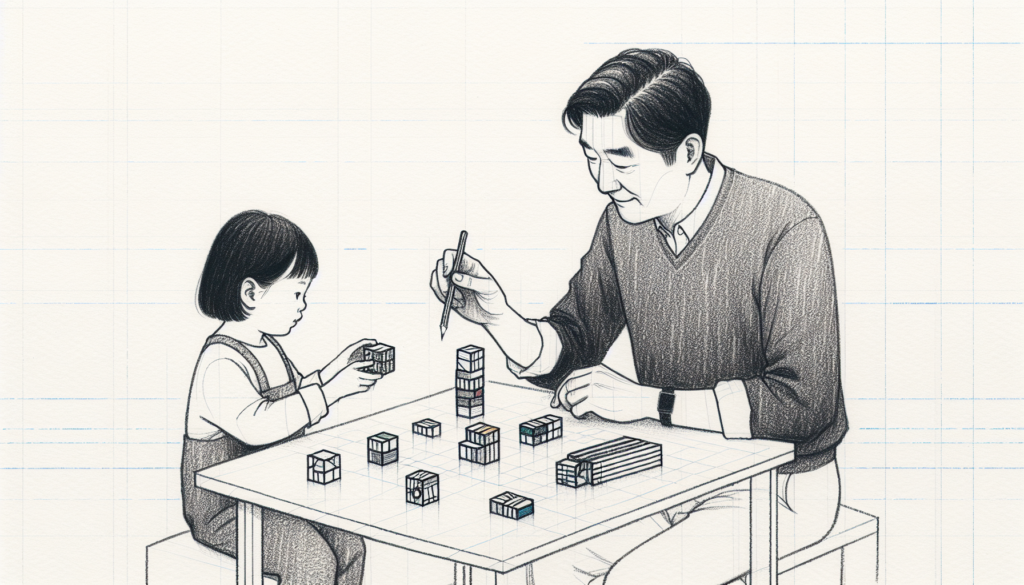
Designed for BCBAs, RBTs, clinic directors, and caregivers, this post clarifies emergent relations and generative performance and explains how a single well-planned teaching sequence can yield multiple untaught skills. It emphasizes testing for emergence—via systematic probes—and turning ABA data into clear, ethical decisions about what a learner can do in real life. You’ll gain practical guidance on processes like stimulus equivalence, multiple-exemplar training, naming, and probing to design efficient, durable, and flexible teaching programs.
What Most People Get Wrong About Concept Simplifications

Designed for BCBA exam learners, this guide clarifies what we mean by concept simplifications in ABA and how it differs from math or language simplifications. It outlines the top mistakes, offers practical fixes, and provides a repeatable checklist to reduce test-day errors while honoring ethics and learner dignity. By translating oversimplification risks into actionable guardrails, it helps you turn ABA data into clear, ethical decisions, with concrete examples and a quick-reference framework.
What Most People Get Wrong About Behavioral Study Techniques

This guide is for BCBA exam candidates and ABA students seeking study methods grounded in behavioral science. It identifies the most common behavioral study technique mistakes, why they happen, and practical ABA-informed replacements. By turning your study data into clear, ethical decisions—using reinforcement, shaping, self-monitoring, and environment design—you can study more effectively without burnout.