
B.15. Identify examples of response maintenance.

Designed for BCBAs, clinic leaders, and caregivers, this post explains response maintenance—the durability of a skill after intervention ends and supports are faded. It shows how to measure maintenance over time in real-life contexts and use those data to guide fading, boosters, and ethical discharge decisions. With practical probe schedules and concrete examples, it helps you translate ABA data into clear, durable, real-world outcomes.
B.14. Identify and distinguish between stimulus and response generalization.
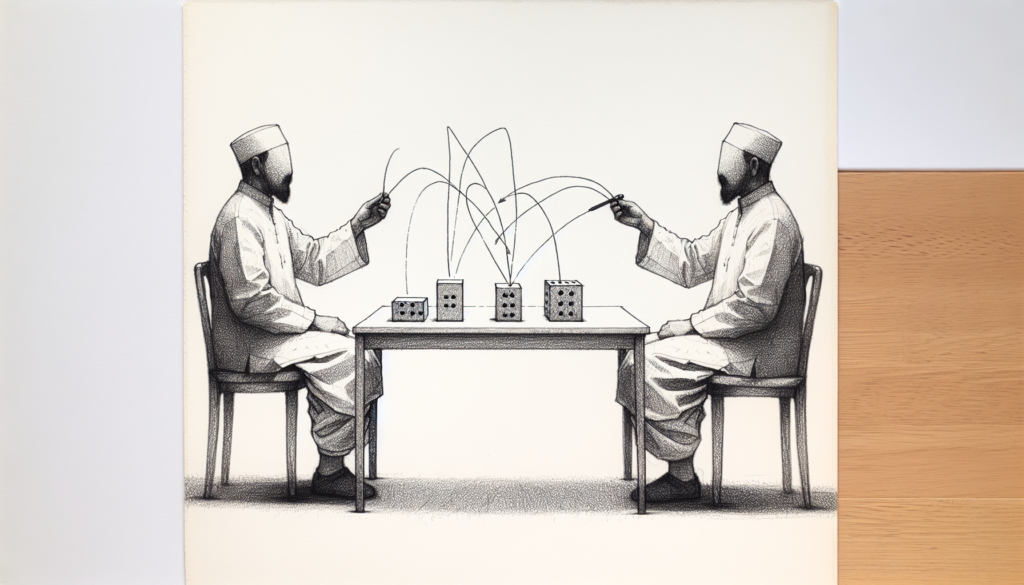
Stimulus generalization and response generalization can be easy to confuse, but they require different planning and measurement. This post helps BCBAs, clinic owners, senior RBTs, and supervisors distinguish the two and apply the distinctions using ABA data. It emphasizes ethical, data-driven decision making to ensure skills transfer across settings, people, and response topographies.