
Caregiver Collaboration in ABA: Buy-In, Training, and Real-World Follow-Through: Tools, Templates, and Checklists

This ethics-first guide helps BCBAs, clinical supervisors, RBTs, and clinic leads partner with caregivers so skills generalize beyond the clinic. It offers concise coaching methods, simple data rules, and ready-to-use templates—consent/assent scripts, fidelity checklists, and communication plans—to translate caregiver-collected ABA data into clear, ethical clinical decisions. Use these practical tools to earn buy-in, coach with dignity, and make timely, data-informed adjustments without blaming or overburdening families.
Caregiver Collaboration in ABA: Buy-In, Training, and Real-World Follow-Through: Common Mistakes and How to Avoid Them

For BCBAs, clinical supervisors, RBTs, and caregivers seeking practical, dignity‑centered ways to move skills from clinic to daily life and turn ABA data into clear, ethical decisions. The guide provides buy‑in scripts, brief training micro‑sessions, simple data sheets, meeting agendas, and clinician decision rules you can adapt immediately. Ethical guardrails—BCBA oversight, informed consent/assent, and secure data handling—are emphasized throughout.
How to Know If Caregiver Collaboration Is Actually Working

Designed for practicing BCBAs, clinical supervisors, and clinic leaders, this guide translates caregiver collaboration into observable ABA data. It offers a simple scorecard, plain-language decision rules, and practical templates to troubleshoot without blaming families, anchored in dignity and assent. Use these tools to turn collaboration metrics into clear, ethical decisions that fit real-life routines and guide program adjustments.
B.15. Identify examples of response maintenance.

Designed for BCBAs, clinic leaders, and caregivers, this post explains response maintenance—the durability of a skill after intervention ends and supports are faded. It shows how to measure maintenance over time in real-life contexts and use those data to guide fading, boosters, and ethical discharge decisions. With practical probe schedules and concrete examples, it helps you translate ABA data into clear, durable, real-world outcomes.
B.14. Identify and distinguish between stimulus and response generalization.

Stimulus generalization and response generalization can be easy to confuse, but they require different planning and measurement. This post helps BCBAs, clinic owners, senior RBTs, and supervisors distinguish the two and apply the distinctions using ABA data. It emphasizes ethical, data-driven decision making to ensure skills transfer across settings, people, and response topographies.
When to Rethink Your Approach to Caregiver Collaboration
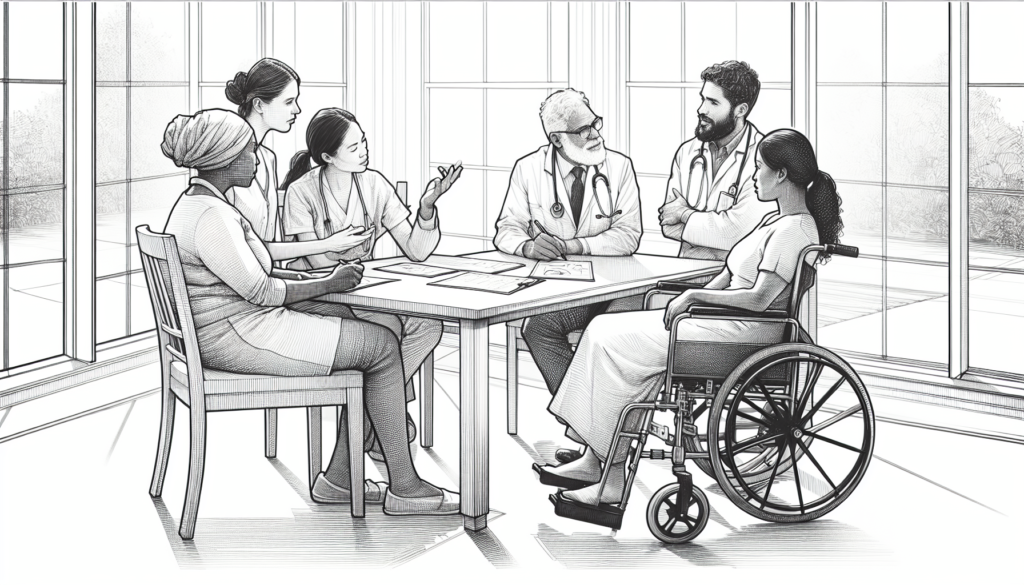
Designed for ABA clinicians, supervisors, and care teams working with families, this post presents caregiver collaboration best practices with practical, ethical guidance. It shows how to turn routine ABA data into concrete decisions about roles, communication, and shared care plans, reducing conflict and stress. It also identifies signals that collaboration needs a rethink and offers templates to support family meetings, role definitions, and privacy-conscious use of technology.
What Most People Get Wrong About Caregiver Collaboration

This post is for behavior analysts, clinicians, and teams working with families in ABA. It identifies the top caregiver collaboration mistakes—especially around communication, handoffs, and role clarity—and offers practical fixes. By translating ABA data into clear, ethical decisions and simple tools (scripts, meeting agendas, shared goals), it helps improve collaboration and carryover without blame.
Caregiver Collaboration in ABA: Buy-In, Training, and Real-World Follow-Through: Real-World Examples and Case Applications

Written for behavior analysts, teachers, and caregivers collaborating on ABA programs, this post offers practical strategies for fostering buy-in, delivering effective training, and ensuring real-world follow-through. It emphasizes turning ABA data into clear, ethically sound decisions, illustrated with real-world examples and case applications. Readers will gain actionable steps to improve collaboration, sustain gains, and uphold ethical practice across settings.
Caregiver Collaboration in ABA: Buy-In, Training, and Real-World Follow-Through

This post is for BCBAs, clinicians, and caregivers involved in ABA programs. It offers practical guidance on securing caregiver buy-in, delivering effective training, and supporting real-world follow-through. By focusing on turning ABA data into clear, ethical decisions, it helps teams make transparent, data-driven choices that improve collaboration and outcomes.