
H.4. Plan for and attempt to mitigate possible unwanted effects when using reinforcement, extinction, and punishment procedures.

Designed for practicing BCBAs, supervisors, clinic leaders, and caregivers who design or implement ABA interventions, this post helps you anticipate and mitigate unwanted effects from reinforcement, extinction, and punishment. It translates ABA data into clear, ethical decisions by outlining proactive planning, replacement skills, and data-driven stop rules to protect safety, dignity, and progress. You’ll learn practical steps to monitor outcomes, communicate with families, and adjust plans quickly when side effects arise.
G.6. Design and evaluate procedures to produce simple and conditional discriminations.

Designed for BCBAs, clinic directors, senior supervisors, and caregivers, this post helps you decide when to use simple versus conditional discriminations and how to evaluate their effectiveness. It guides assessment, stimulus selection, prompting and fading, and data-based mastery criteria, with a focus on unprompted accuracy and generalization. Ethical practice is front and center—consent, least-restrictive approaches, and learner dignity are embedded throughout. Use this to turn ABA data into clear, actionable, and ethically sound decisions about discrimination procedures.
G.10. Design and evaluate instructions and rules.

This post is for behavior analysts, educators, clinicians, and caregivers who design instructions and classroom rules in ABA. It explains how to turn ABA data into clear, ethical decisions—when to use instructions versus rules, how to specify observable behaviors, and how to measure fidelity and outcomes. With practical examples and ethical considerations, it helps reduce confusion, improve safety, and promote learner independence across clinic, classroom, or home settings.
G.19. Design and evaluate procedures to promote emergent relations and generative performance.

For BCBAs, clinic owners, supervisors, and caregivers, this post explains how to design procedures that foster emergent relations and generative performance. It emphasizes systematic probing, data-driven decision rules, and an ethical framework to verify emergence rather than assume it. Using a Train–Probe–Interpret–Adjust workflow, it helps you turn ABA data into clear, responsible decisions about when to expand exemplars or provide direct instruction.
G.13. Design and evaluate trial-based and free-operant procedures.

Designed for practicing BCBAs, clinic directors, and supervisors, this post clarifies trial-based and free-operant procedures for measuring and teaching in ABA. It helps you choose between approaches, design ethical data collection, and turn data into clear decisions about progress, generalization, and maintenance. With a focus on precise definitions and IOA, it supports practical, dignity‑respecting decision making rather than hype.
G.4. Identify procedures to establish and use conditioned reinforcers.

This post is for BCBA clinicians, supervisors, and practitioners who design and supervise reinforcement programs in ABA. It shows how to turn ABA data from reinforcer assessments into clear, ethical decisions—identifying valued backups, pairing neutral stimuli, testing effectiveness, and sustaining conditioned reinforcers. It provides practical steps and guardrails for implementing token economies and similar generalized reinforcers in real settings, with emphasis on fading toward natural reinforcement and thorough documentation.
B.6. Identify and distinguish between automatic and socially mediated contingencies.
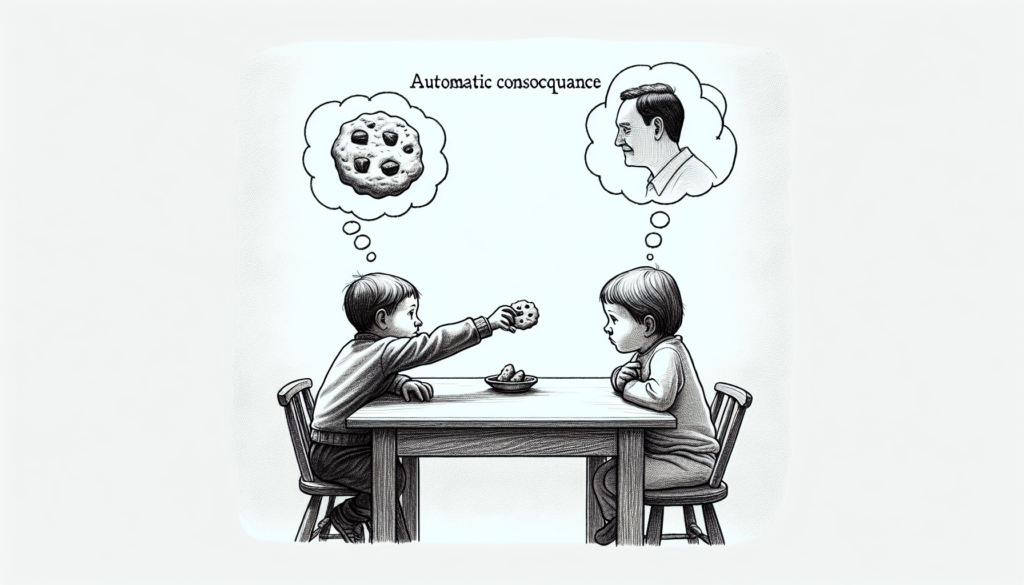
This post is for practicing BCBAs, clinic owners, supervisors, and clinicians who need to distinguish automatic from socially mediated contingencies. It offers practical observation methods, ABC data interpretation, and functional-analysis considerations to identify function and guide appropriate, least-intrusive interventions. The focus is on turning ABA data into clear, ethical decisions that tailor treatment to the true reinforcement maintaining the behavior.
B.11. Identify and distinguish between operant and respondent extinction as operations and processes.

Designed for clinicians, supervisors, and caregivers in ABA, this post clarifies operant versus respondent extinction—distinguishing the procedures you implement from the behavioral changes they produce. It shows how to measure progress with daily data, choose the appropriate extinction type, and uphold ethical safeguards, including replacement skills. The goal is to turn ABA data into clear, ethical decisions that protect learner welfare and guide practical intervention.
B.20. Identify the role of multiple control in verbal behavior.
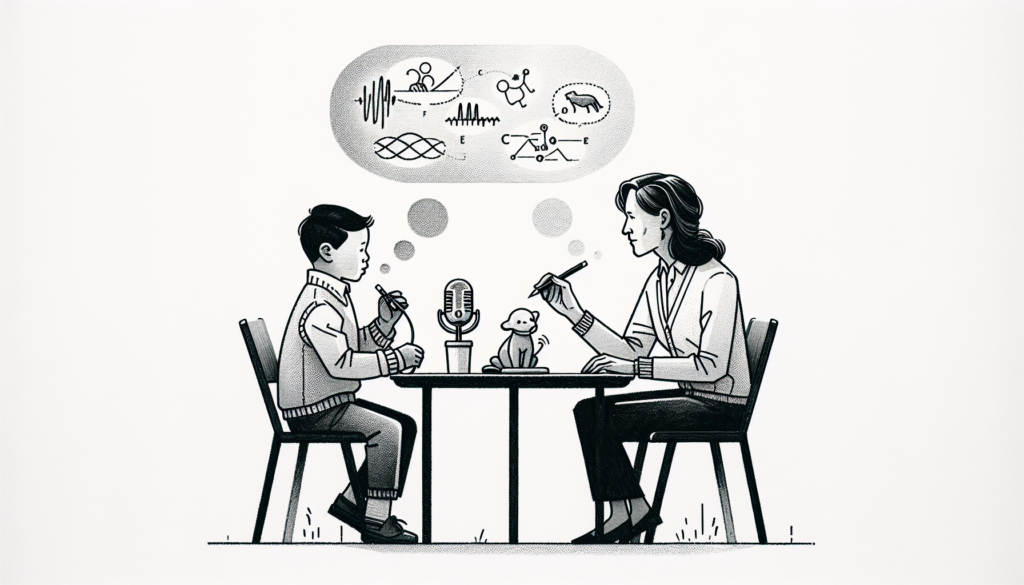
This post is for behavior analysts, clinicians, and educators applying ABA to verbal behavior. It explains convergent and divergent multiple control and shows how to test MO, SD, and prompts to distinguish true control from prompting, improving assessment validity and generalization. It guides turning ABA data into clear, ethical decisions about prompting, fading, and expanding a flexible, communicative repertoire that respects the learner’s intent.
B.13. Identify examples of stimulus discrimination.

This post is for practicing BCBAs, clinic leaders, senior therapists, and caregivers who want to translate ABA data into real-world, ethical decisions about stimulus control. It explains what stimulus discrimination is, how to identify SD versus SΔ in your data, and when to pursue discrimination versus generalization in teaching. It emphasizes ethical consideration and offers practical steps to design interventions that transfer control to natural cues while avoiding overly narrow stimulus control.