
G.19. Design and evaluate procedures to promote emergent relations and generative performance.

For BCBAs, clinic owners, supervisors, and caregivers, this post explains how to design procedures that foster emergent relations and generative performance. It emphasizes systematic probing, data-driven decision rules, and an ethical framework to verify emergence rather than assume it. Using a Train–Probe–Interpret–Adjust workflow, it helps you turn ABA data into clear, responsible decisions about when to expand exemplars or provide direct instruction.
B.6. Identify and distinguish between automatic and socially mediated contingencies.
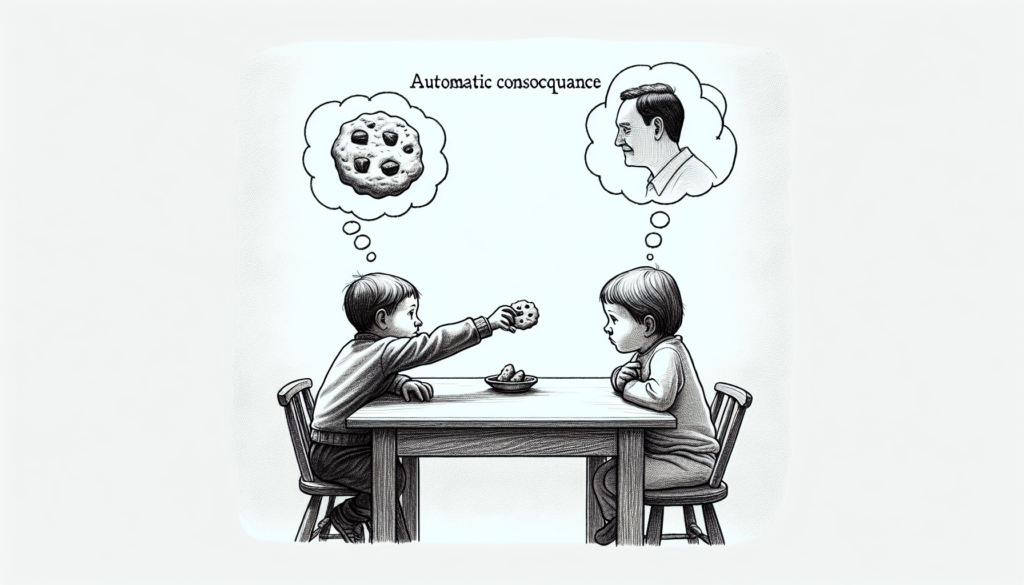
This post is for practicing BCBAs, clinic owners, supervisors, and clinicians who need to distinguish automatic from socially mediated contingencies. It offers practical observation methods, ABC data interpretation, and functional-analysis considerations to identify function and guide appropriate, least-intrusive interventions. The focus is on turning ABA data into clear, ethical decisions that tailor treatment to the true reinforcement maintaining the behavior.
B.11. Identify and distinguish between operant and respondent extinction as operations and processes.

Designed for clinicians, supervisors, and caregivers in ABA, this post clarifies operant versus respondent extinction—distinguishing the procedures you implement from the behavioral changes they produce. It shows how to measure progress with daily data, choose the appropriate extinction type, and uphold ethical safeguards, including replacement skills. The goal is to turn ABA data into clear, ethical decisions that protect learner welfare and guide practical intervention.
B.13. Identify examples of stimulus discrimination.

This post is for practicing BCBAs, clinic leaders, senior therapists, and caregivers who want to translate ABA data into real-world, ethical decisions about stimulus control. It explains what stimulus discrimination is, how to identify SD versus SΔ in your data, and when to pursue discrimination versus generalization in teaching. It emphasizes ethical consideration and offers practical steps to design interventions that transfer control to natural cues while avoiding overly narrow stimulus control.
B.5. Identify and distinguish between positive and negative punishment contingencies.

Designed for BCBAs, RBTs, clinic leaders, and caregivers, this post clarifies positive versus negative punishment and why correct labeling matters for ethical, effective ABA. It shows how to translate practice data into clear, defensible decisions—centered on function, consent, monitoring, and fading. It also emphasizes using less restrictive alternatives and pairing any punishment with teaching and data-driven review.
B.1. Identify and distinguish among behavior, response, and response class.
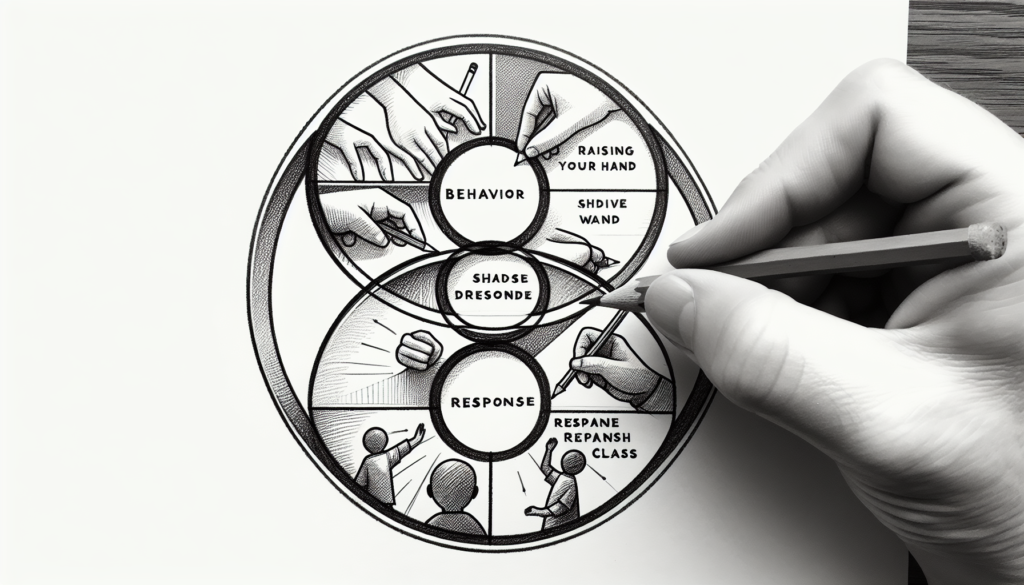
This post is for BCBAs, clinic directors, supervisors, and caregivers who want to reduce measurement errors and ineffective interventions by clearly distinguishing behavior, response, and response class. It explains each unit, why the distinction matters for assessment and data interpretation, and how to design function-based, ethically sound interventions. By focusing on function over form, you’ll translate ABA data into clear, least-intrusive decisions that address the learner’s underlying needs.
B.3. Identify and distinguish between respondent and operant conditioning.

This post is for behavior analysts, BCBA/BCaBA students, and clinicians seeking practical guidance. It clarifies how to distinguish respondent (classical) conditioning from operant conditioning to identify what maintains a behavior. Using FBA and ABC data, it helps you make clear, ethical, evidence-based intervention decisions that target the true controlling relation.
B.24. Identify and distinguish between imitation and observational learning.

Designed for BCBAs, clinic directors, and senior therapists, this post clarifies the difference between imitation and observational learning and why it matters for treatment planning. It shows how to identify immediate, topography-matched copying versus learning from observed consequences, and how to measure each in your data. The focus is on turning ABA data into clear, ethical decisions about modeling, reinforcement, and generalization while safeguarding learner dignity and consent.
B.18. Identify and distinguish between rule-governed and contingency-shaped behavior.

This post is for BCBAs, RBTs, supervisors, and clinically informed caregivers seeking practical guidance on rule-governed versus contingency-shaped behavior. It shows how to turn ABA data into clear, ethical decisions about when to teach by instruction and when to shape by consequences, including strategies to blend the two. The focus is on safety, generalization, and durable learning, with concrete ethical considerations to guide everyday practice.
B.12. Identify examples of stimulus control.

This post is written for practicing ABA clinicians, BCBA/BCaBA, and students conducting functional assessments. It guides you in identifying stimulus control, distinguishing it from mere correlation, and using data to inform intervention decisions. With practical, ethics-forward guidance, it helps you turn ABA data into clear, defensible choices that promote generalization and independence.